

Best Ankle Foot Orthosis for Drop Foot: Expert Guide
Foot drop is a debilitating condition that affects walking, balance, and overall mobility. Many patients actively search for an ankle foot orthosis drop foot solution to restore a safer and more natural gait. According to clinical research, foot drop is commonly associated with neurological disorders such as stroke or nerve injury, and it significantly increases the risk of falls—one of the leading causes of injury in adults with mobility impairments.
An ankle foot orthosis (AFO) is widely recognized by healthcare professionals as one of the most effective non-surgical solutions to manage this condition. By supporting the ankle and keeping the foot in a functional position, it helps patients walk more confidently and efficiently. In this expert guide, you’ll quickly understand how AFOs work, the different types available, and how to choose the best option for your specific needs.
What Is an Ankle Foot Orthosis for Drop Foot?

An ankle foot orthosis drop foot device is a medical brace designed to support the ankle and foot when the muscles responsible for lifting the foot are weak or paralyzed. It is commonly prescribed by healthcare professionals to improve walking ability and prevent complications associated with foot drop.
The primary function of an AFO is to hold the foot in a neutral position—typically at a 90-degree angle—so it doesn’t drag during movement. This simple mechanical support significantly reduces the risk of tripping and falling, especially in daily activities like walking on uneven surfaces or climbing stairs.
Most AFOs are made from lightweight materials such as plastic or carbon fiber, ensuring both durability and comfort. Depending on the design, they can fit inside or outside the shoe, offering different levels of flexibility and control.
In short, an AFO acts as an external support system that restores safer, more stable mobility.
Check out this guide: Best Insoles for Flat Feet: Expert-Reviewed Guide to Find the Right Support
How an AFO Helps Correct Drop Foot?
An ankle foot orthosis drop foot device works by compensating or loss of muscle control, especially in the muscles responsible for lifting the front of the foot (dorsiflexion). Instead of relying on weakened nerves or muscles, the brace provides external mechanical support to guide the foot during movement.
Here’s how it improves mobility:
- Maintains proper foot position: Keeps the foot elevated during the swing phase, preventing it from dragging
- Enhances walking efficiency: Promotes a smoother, more natural gait pattern
- Reduces risk of falls: Stabilizes the ankle and improves balance on different surfaces
- Decreases muscle fatigue: Limits overcompensation from other leg muscles
By restoring alignment and stability, an AFO allows patients to regain confidence in their movements. Over time, it can also support rehabilitation efforts by encouraging better walking habits.
Types of Ankle Foot Orthosis for Drop Foot

Choosing the right ankle foot orthosis drop foot solution depends on the level of support and mobility you need. There are several types of AFOs, each designed for specific conditions and lifestyles.
Rigid AFO
This type provides maximum stability by immobilizing the ankle joint.
- Ideal for severe drop foot
- Prevents unwanted ankle movement
- Offers strong support but limits flexibility
Hinged AFO
A hinged AFO allows controlled ankle movement, making walking feel more natural.
- Better for moderate cases
- Supports walking while allowing some mobility
- Improves gait dynamics
Dynamic / External AFO
These advanced designs are often worn outside the shoe and use elastic or mechanical tension.
- Best for active users
- Enhances performance and speed
- Allows greater freedom of movement
Quick Comparison
| Type | Support Level | Mobility | Best For |
|---|---|---|---|
| Rigid AFO | High | Low | Severe drop foot |
| Hinged AFO | Medium | Medium | Daily walking |
| Dynamic AFO | Medium | High | Active lifestyles |
Each type serves a specific purpose, so understanding your needs is essential before making a choice.
How to Choose the Best AFO for Drop Foot?
Selecting the right ankle foot orthosis drop foot device is essential to maximize comfort, safety, and long-term results. The best choice depends on your specific condition, lifestyle, and medical needs. Here are the key factors to consider:
- Severity of drop foot: Mild cases may benefit from flexible or dynamic AFOs, while severe conditions often require rigid support.
- Daily activity level: Active users should prioritize lightweight, dynamic designs, whereas less active individuals may need more stability.
- Comfort and fit: A well-fitted AFO prevents skin irritation and ensures consistent use throughout the day.
- Shoe compatibility: Some AFOs fit inside standard shoes, while others are external and more versatile.
- Underlying medical condition: Causes like stroke, nerve damage, or muscular disorders may influence the type of support needed.
In many cases, consulting a healthcare professional ensures the device is properly adapted to your condition, improving both effectiveness and safety.
Best Solutions for Drop Foot Support: Expert Picks
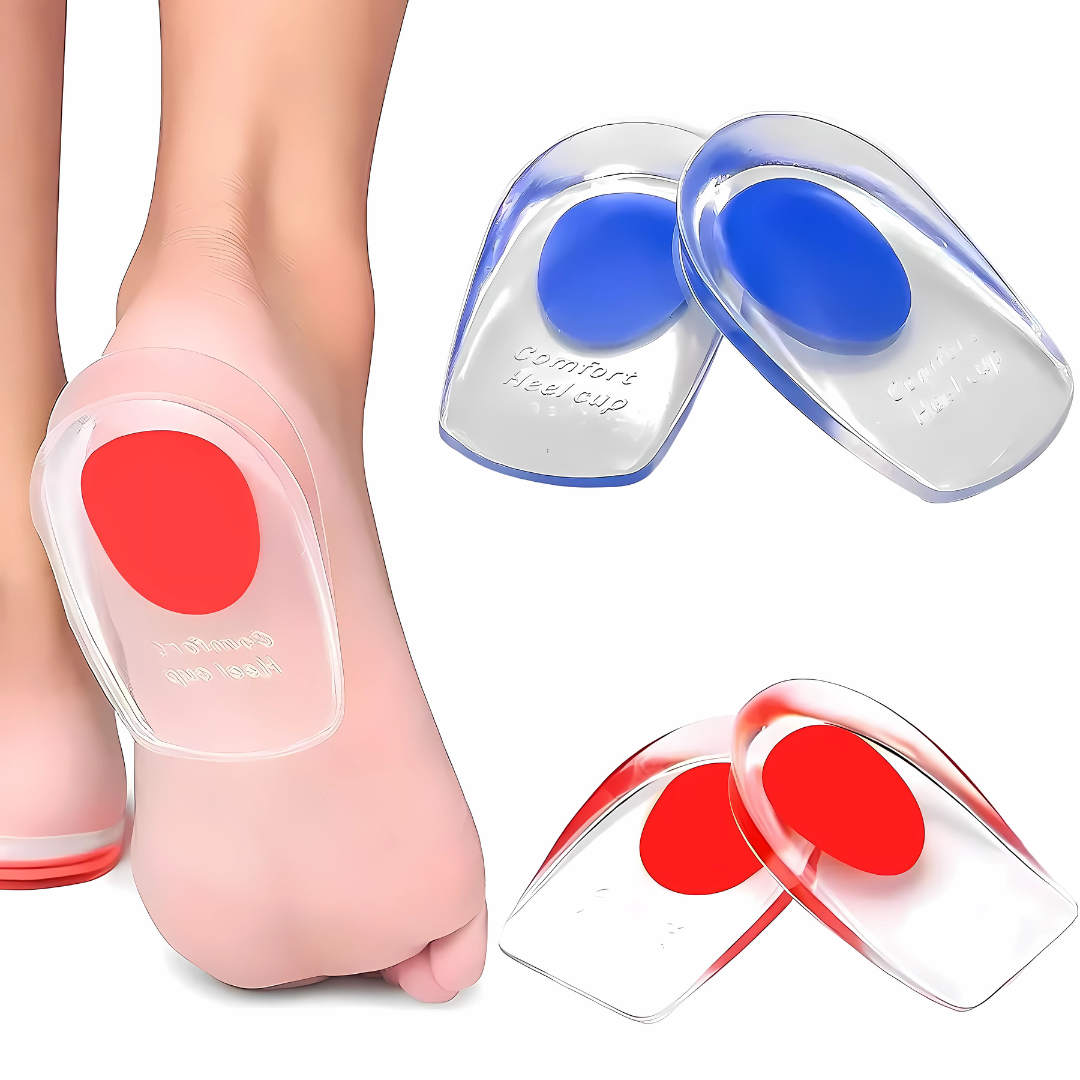
Finding the right ankle foot orthosis drop foot solution depends on your mobility goals and daily needs. Based on clinical use and patient feedback, here are the most effective options available today.
1. Dynamic External AFO (Best for Active Users)
Designed for performance and flexibility, this type of AFO attaches externally to the shoe.
- Main benefit: Restores near-natural gait with energy return
- Best for: Active individuals, walking long distances, light sports
- Key advantage: No contact with the foot, reducing pressure points
2. Thermoplastic AFO (Best for Medical Support)
Commonly prescribed in rehabilitation settings, this model offers structured support.
- Main benefit: Strong stabilization and correction
- Best for: Post-stroke patients or severe drop foot
- Key advantage: Custom-molded fit for precise alignment
3. Supportive Insoles (Complementary Solution)
While not a replacement for an AFO, insoles play a key supporting role.
- Main benefit: Improves foot alignment and shock absorption
- Best for: Enhancing comfort inside the shoe
- Key advantage: Works synergistically with AFO devices
Explore high-quality options Now!
Can Insoles Help with Drop Foot?
Insoles alone cannot replace an ankle foot orthosis drop foot device, but they can significantly enhance overall comfort and support when used as a complementary solution.
Foot drop primarily results from muscle weakness or nerve damage, which requires external stabilization—something only an AFO can provide. However, insoles play an important role in optimizing foot mechanics inside the shoe. Here’s how they help:
- Improve foot alignment: Supports proper positioning, reducing strain on the ankle
- Enhance shock absorption: Minimizes impact during walking
- Reduce fatigue: Distributes pressure more evenly across the foot
- Increase comfort: Especially when wearing an AFO for extended periods
When combined with an AFO, high-quality insoles—like those from Semello—can improve the overall walking experience and help users stay active longer without discomfort.

When Should You Use an AFO for Drop Foot?
Knowing when to use an ankle foot orthosis drop foot device is crucial to prevent complications and improve mobility as early as possible. This type of brace is typically recommended when walking becomes unsafe or inefficient due to poor foot control.
You may need an AFO if you experience:
- Foot dragging while walking
- Difficulty lifting the front of the foot (toes)
- Frequent tripping or loss of balance
- Compensatory movements like lifting the knee higher than normal
AFOs are commonly prescribed for conditions such as stroke, peroneal nerve injury, multiple sclerosis, or muscular disorders. Early use can significantly reduce the risk of falls and support better long-term mobility outcomes.
In clinical practice, timely intervention with the right orthotic device can make a major difference in maintaining independence and quality of life.
Check out this guide: Do Bunion Splints Work? What the Evidence Really Says
Final Thoughts: Choosing the Right AFO
Choosing the right AFO comes down to understanding your condition and daily needs. Whether you require maximum stability or greater flexibility, selecting the appropriate device can dramatically improve your mobility and confidence.
For active individuals, dynamic AFOs offer freedom and performance. For more advanced or medical cases, rigid or thermoplastic designs provide essential support and alignment. To further enhance comfort and reduce fatigue, combining your brace with high-quality insoles—like those offered by Semello—can make a noticeable difference in daily use.
Ultimately, the best results come from a personalized approach, ideally guided by a healthcare professional.