

Bunion Pain: Causes, Symptoms & Fast Relief Solutions That Work
Bunion pain is a common foot condition affecting millions of people worldwide, often disrupting daily activities like walking or standing. According to the American Academy of Orthopaedic Surgeons, bunions develop progressively and can become increasingly painful without proper care. This article explores the real causes of bunion pain, how to recognize it early, and most importantly, the most effective ways to relieve it quickly. Whether your discomfort is mild or severe, understanding the right solutions can help you regain comfort and prevent long-term damage.
What Is Bunion Pain?

Bunion pain refers to discomfort caused by a bony bump that forms at the base of the big toe joint. This condition, medically known as hallux valgus, develops when the big toe gradually shifts toward the other toes, creating pressure and misalignment in the joint.
The pain typically comes from inflammation, friction against shoes, and increased stress on the joint during movement. Over time, this can lead to swelling, stiffness, and difficulty walking comfortably.
Quick overview:
- A bunion is a structural deformity of the foot
- Pain results from pressure, inflammation, and joint misalignment
- Symptoms often worsen with tight or narrow shoes
Understanding bunion pain early is essential to prevent progression and reduce long-term discomfort.
Bunion Pain Symptoms: How to Recognize It Quickly?
Recognizing bunion pain early can help prevent the condition from worsening and allow you to take action before it becomes more severe. Symptoms often develop gradually and may vary in intensity depending on daily activities and footwear.
Common signs
The most visible symptom is a noticeable bump on the side of the big toe joint. This is often accompanied by:
- Redness and swelling around the joint
- Tenderness when touched
- Thickened skin or calluses caused by friction
- Reduced mobility in the big toe
What does bunion pain feel like?
Bunion pain can feel different from one person to another. Some experience a constant dull ache, while others feel sharp pain when walking or wearing tight shoes. The discomfort may worsen after long periods of standing or physical activity.
In more advanced cases, the joint may become stiff, making it difficult to move the toe naturally and increasing overall foot discomfort.
What Causes Bunion Pain?

Bunion pain develops over time due to pressure and imbalance in the foot structure. It is not caused by a single factor but rather a combination of biomechanical issues and external stress on the joint.
Main causes
One of the primary causes is an inherited foot structure. Some people are naturally predisposed to developing bunions due to the shape of their bones or the way they walk. Over time, this structural imbalance puts excessive pressure on the big toe joint, leading to misalignment and pain.
Another key factor is abnormal foot mechanics, such as flat feet or overpronation. These conditions increase stress on the joint, accelerating the formation of the bunion and intensifying the pain.
Aggravating factors
Certain habits can significantly worsen bunion pain:
- Wearing tight, narrow, or high-heeled shoes
- Standing for long periods
- Repetitive stress from walking or sports
- Conditions like arthritis affecting the joint
Understanding these causes is essential to choose the right treatment and avoid worsening the condition.
How to Relieve Bunion Pain Fast?
If you’re dealing with bunion pain, the priority is simple: reduce pressure on the joint and calm inflammation as quickly as possible. The good news is that several effective, non-surgical methods can provide fast relief when applied correctly.
Immediate relief tips
Start with simple actions that can ease discomfort within hours:
- Apply ice packs for 10–15 minutes to reduce swelling
- Rest your feet and avoid prolonged standing
- Elevate your foot to improve circulation
- Switch to open or wide shoes to eliminate pressure
These steps are essential to quickly calm irritation and prevent the pain from worsening throughout the day.
Best non-surgical solutions
For longer-lasting relief, targeted solutions are much more effective:
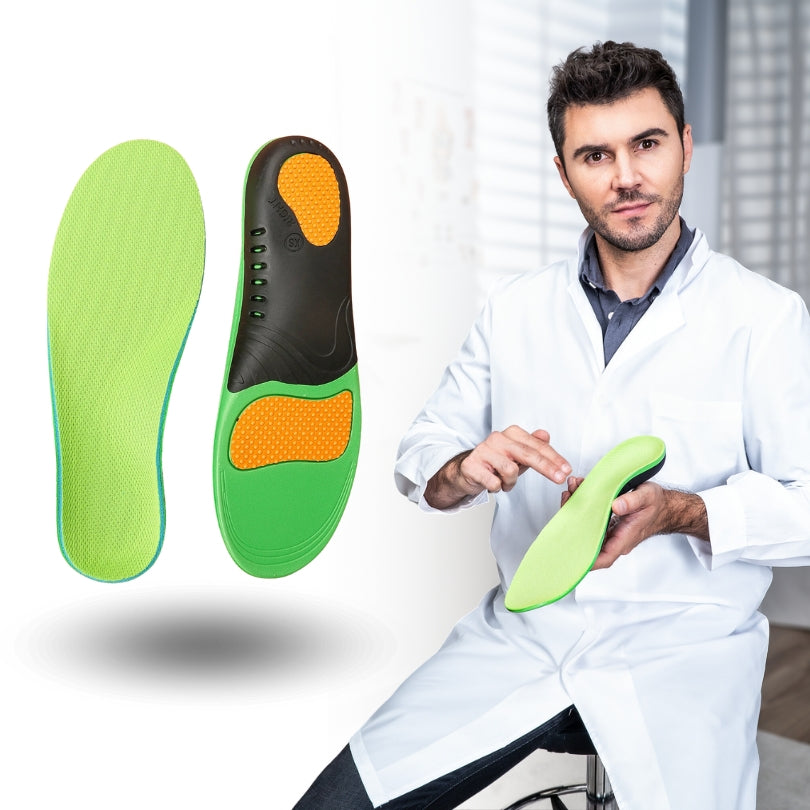
1. Orthotic insoles: High-quality insoles help redistribute pressure across the foot, reducing stress on the bunion. They also improve alignment, which directly decreases bunion pain during walking.
2. Bunion pads: Protective pads act as a cushion between the bunion and your shoe, minimizing friction and irritation.
3. Toe spacers: These devices gently realign the big toe, helping reduce pressure and slow the progression of the deformity over time.
4. Orthopedic shoes: Shoes designed with a wide toe box and proper arch support significantly reduce pressure on the joint. They are one of the most effective ways to manage bunion pain daily.
By combining immediate relief techniques with long-term solutions, you can significantly reduce discomfort and improve your daily mobility without surgery.

Best Shoes and Insoles for Bunion Pain
Choosing the right footwear is one of the most effective ways to reduce bunion pain and prevent it from worsening. Poorly fitted shoes are often the main trigger of discomfort, while well-designed orthopedic options can provide immediate relief.
What to look for?
Not all shoes are suitable if you suffer from bunions. Here are the key features to prioritize:
- Wide toe box: allows your toes to spread naturally and reduces pressure on the bunion
- Soft, flexible materials: minimize friction and irritation
- Good cushioning: absorbs shock and reduces impact while walking
- Proper arch support: helps distribute weight evenly across the foot
Why orthopedic solutions work?
Orthopedic insoles and shoes are specifically designed to correct foot alignment and relieve pressure points. By stabilizing the foot and improving posture, they significantly reduce strain on the big toe joint.
Unlike standard footwear, these solutions address the root causes of bunion pain, not just the symptoms. When used consistently, they can improve comfort, support daily movement, and slow down the progression of the deformity.
Explore orthopedic solutions designed for lasting comfort.
When to See a Doctor for Bunion Pain?
While many cases of bunion pain can be managed at home, certain symptoms indicate that medical advice is necessary. Ignoring persistent discomfort can lead to worsening deformity and long-term joint damage.
You should consider seeing a doctor if:
- The pain becomes constant and interferes with daily activities
- Walking or wearing shoes becomes increasingly difficult
- Swelling and inflammation do not improve with rest or home care
- The big toe becomes severely misaligned
A healthcare professional can assess the severity of the condition and recommend appropriate treatments, such as custom orthotics, physical therapy, or medication.
Early intervention is key to preventing complications and maintaining long-term foot health.
Medical Treatments for Severe Bunion Pain
When bunion pain becomes severe or resistant to conservative treatments, medical interventions may be necessary to restore comfort and mobility. These options are typically recommended after non-surgical methods have failed.
Doctors may prescribe anti-inflammatory medications to reduce swelling and relieve pain. In some cases, corticosteroid injections can be used to target inflammation directly in the joint.
Custom-made orthotics are another effective solution, as they provide tailored support to correct foot mechanics and reduce pressure on the bunion. In advanced cases, surgery (bunionectomy) may be considered. This procedure aims to realign the bones, correct the deformity, and eliminate the root cause of bunion pain.
Although surgery is usually a last resort, it can significantly improve quality of life when the condition becomes debilitating.
How to Prevent Bunion Pain from Getting Worse?
Preventing bunion pain from worsening is mainly about reducing stress on the big toe joint and making smarter footwear choices in daily life. Even small adjustments can significantly slow the progression of the deformity.
Key prevention strategies
- Wear shoes with a wide toe box to avoid compressing the toes
- Avoid high heels or narrow shoes that increase pressure on the forefoot
- Maintain a healthy body weight to reduce overall foot strain
- Use supportive insoles to improve alignment and distribute pressure evenly
- Avoid long periods of standing without breaks
Regular foot care also plays an important role. Stretching exercises for the toes and maintaining joint mobility can help preserve flexibility and reduce stiffness over time. Preventing bunion pain is not about reversing the condition instantly, but about controlling its progression and maintaining comfort in everyday movement.
Final Relief Strategy for Bunion Pain
Managing bunion pain effectively requires a combination of immediate relief techniques and long-term corrective solutions. Simple actions like reducing pressure, using ice, and wearing proper footwear can provide quick comfort. For lasting improvement, orthopedic insoles, toe spacers, and supportive shoes play a crucial role in slowing progression and reducing daily discomfort. While severe cases may require medical treatment, most people can significantly improve their quality of life with consistent care and the right footwear choices. The key is to act early and prevent further stress on the joint.
FAQ – Bunion Pain
Can bunion pain go away on its own?
Bunion pain usually does not disappear completely because the condition is structural. However, symptoms can be significantly reduced with proper footwear, orthotics, and lifestyle adjustments.
What is the fastest way to relieve bunion pain?
The fastest relief comes from reducing pressure on the joint: resting the foot, applying ice, and wearing wide, supportive shoes can quickly reduce discomfort.
Are bunions permanent?
Yes, bunions are generally permanent without surgical correction. However, their progression and associated pain can be managed effectively with non-surgical treatments.
Do insoles really help bunion pain?
Yes. Insoles help redistribute pressure, improve alignment, and reduce strain on the big toe joint, which can significantly reduce bunion pain over time.