

Children Orthopedic Insoles: Guide for Kids Foot Support
Children insole orthopedic solutions are increasingly recommended by pediatric specialists to support proper foot development during early growth stages. According to pediatric orthopedic studies, nearly 25% of children experience flat feet or related postural imbalances during growth, most of which can benefit from early foot support when symptoms like pain or fatigue appear.
During childhood, the bones of the feet are still developing, which means poor alignment, overpronation, or lack of arch support can affect not only walking comfort but also long-term posture. This is where children insole orthopedic products play a preventive and corrective role by offering structured support inside everyday shoes.
In many cases, parents only notice the issue when children complain about tired feet, knee discomfort, or difficulty during sports activities. This guide will help you understand when orthopedic insoles are necessary, how they work, and how to choose the right option based on your child’s specific needs.
What Are Children Orthopedic Insoles?

Children orthopedic insoles are specially designed foot supports placed inside shoes to help guide the natural development of a child’s feet. Unlike standard cushioning insoles, they are structured to provide targeted support to the arch, heel, and overall foot alignment.
The main goal of children insole orthopedic solutions is not to “correct” the foot aggressively, but to support its natural growth while reducing strain caused by walking, running, or standing for long periods. They are commonly recommended for children experiencing flat feet, mild overpronation, or recurring foot fatigue.
These insoles are typically made from a combination of soft cushioning layers and semi-rigid support materials. This allows them to balance comfort with stability, making them suitable for daily school use as well as sports activities.
In pediatric podiatry, early support is often considered beneficial when symptoms are present, as it can help prevent compensatory posture issues in knees, hips, and lower back.
Check out this guide: Best Insoles for Flat Feet: Expert-Reviewed Guide to Find the Right Support
Common Foot Problems in Children
Foot development in children is a gradual process, and several common conditions can appear as they grow. Identifying them early helps determine whether children insole orthopedic support is necessary.
Flat Feet (Pes Planus)
Flat feet are very common in young children, especially before the age of 6. In many cases, the arch develops naturally over time. However, when flat feet persist and cause pain or instability, additional support may be needed. Children may show signs such as inward rolling of the feet or uneven shoe wear.
Overpronation
Overpronation occurs when the foot rolls excessively inward while walking or running. This can affect overall posture and lead to discomfort in the ankles, knees, or even lower back. It is often subtle but becomes more noticeable during physical activity.
Heel and Arch Discomfort
Some children experience fatigue or pain in the heel or arch area, especially after long school days or sports. Poor footwear or lack of support can worsen this issue over time.
In these cases, children insole orthopedic solutions can help redistribute pressure and improve stability, supporting healthier movement patterns during growth.
Do Kids Really Need Orthopedic Insoles?
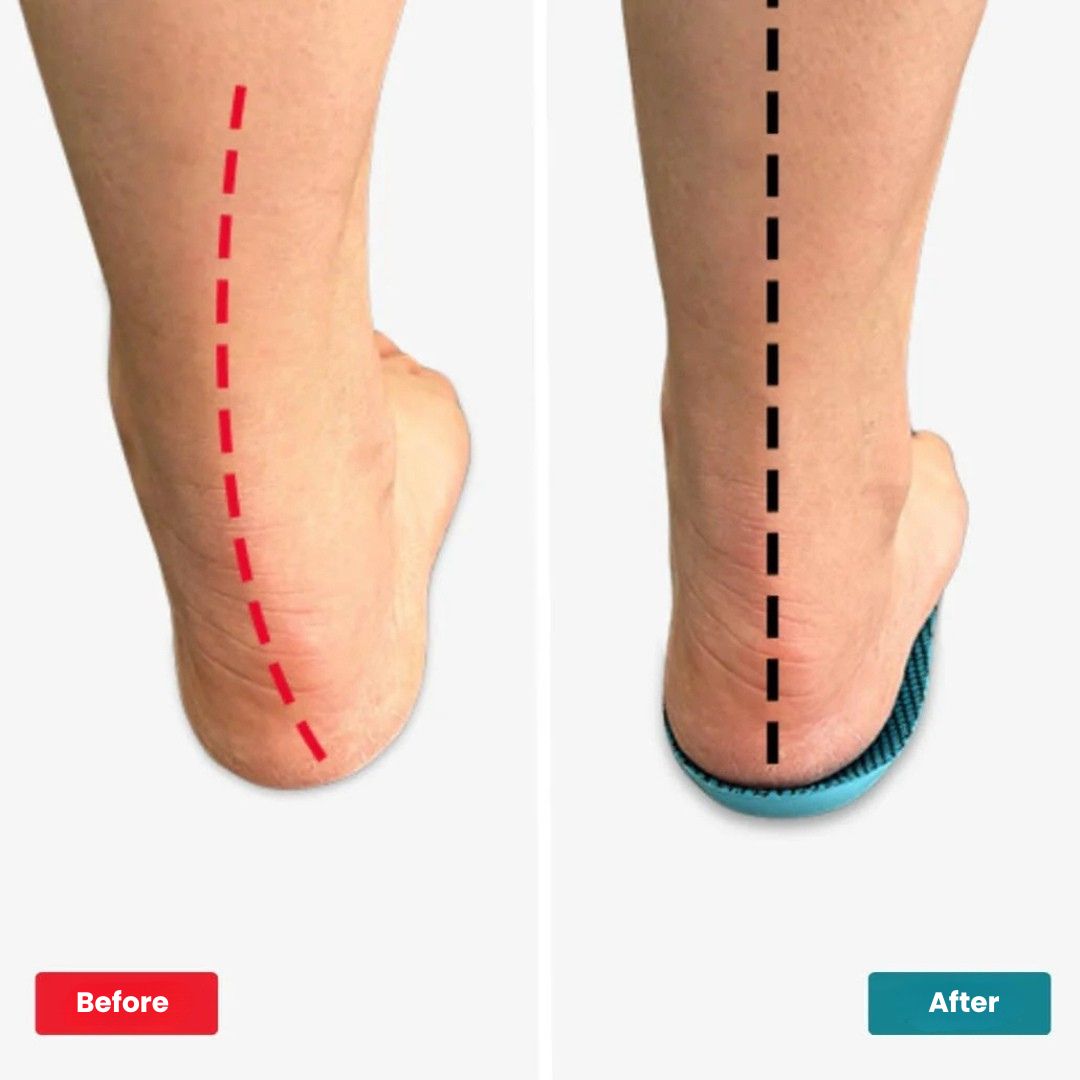
Not every child needs orthopedic insoles, and this is an important point often emphasized in pediatric podiatry. The use of insole orthopedic solutions depends mainly on symptoms rather than appearance alone.
In many cases, flat feet or mild pronation are part of normal development and correct themselves as the foot muscles strengthen. However, intervention becomes relevant when a child experiences persistent discomfort, fatigue while walking, or reduced performance in physical activities.
Orthopedic specialists often recommend insoles when there are clear functional signs such as uneven walking patterns, frequent tripping, or pain in the feet, knees, or lower limbs. In these situations, children insole orthopedic products can help improve alignment and reduce excessive pressure on growing joints.
On the other hand, using insoles without a real need may not provide additional benefits. That’s why professional assessment is recommended when symptoms are unclear or persistent. The key idea is balance: support should be introduced when necessary, but always adapted to the child’s actual condition and development stage.
Types of Children Orthopedic Insoles
Children orthopedic insoles come in different designs, each serving a specific purpose depending on the child’s foot structure, activity level, and comfort needs. Choosing the right type is essential to ensure effective support and comfort throughout daily use. The use of children insole orthopedic solutions should always be matched to the specific condition rather than applied universally.
Soft Comfort Insoles
These insoles are designed primarily for cushioning. They are ideal for children who experience general foot fatigue but do not have severe structural issues. They provide gentle support and are often used for everyday school shoes to improve comfort during long standing or walking periods.
Arch Support Insoles
Arch support models are recommended for children with flat feet or mild overpronation. They help lift and stabilize the arch, improving foot alignment and reducing strain on the lower limbs. This is one of the most commonly prescribed children insole orthopedic types in pediatric care.
Semi-Rigid Orthotic Insoles
These insoles combine structure and flexibility. They offer stronger correction while still maintaining comfort. They are often used when mild biomechanical issues are present and require more precise support.
Sports Orthopedic Insoles
Designed for active children, these insoles absorb shock and enhance stability during running or jumping activities. They help reduce the risk of overuse injuries and improve performance in sports.
Overall, selecting the right children insole orthopedic type depends on balancing comfort, activity level, and structural support needs.

How to Choose the Best Children Orthopedic Insoles?
Choosing the right support requires a careful evaluation of your child’s foot condition, daily activity, and comfort level. Not all children insole orthopedic products are designed the same way, so understanding key selection criteria is essential for effective results.
- First, consider the child’s age and stage of foot development. Younger children often need softer, more flexible support, while older children or active athletes may benefit from semi-rigid or structured insoles.
- Second, identify the main issue. Flat feet require arch support, while overpronation needs stability control. If the child experiences general fatigue without a specific diagnosis, cushioning insoles may be sufficient.
- Third, evaluate the type of shoes used daily. Some insoles fit better in sports shoes, while others are designed for school or casual footwear.
- Finally, comfort is crucial. Even the most effective children insole orthopedic solution will not work if the child refuses to wear it consistently.
A good practice is to start with moderate support and adjust gradually based on feedback and improvement in walking comfort.
Check out this guide: Plantar Fascia Strain Symptoms: 7 Signs That Actually Matter
Benefits of Orthopedic Insoles for Kids
Orthopedic insoles provide several functional and preventive benefits when properly selected for a child’s needs. The main advantage of children insole orthopedic support is improved foot alignment, which helps distribute body weight more evenly during walking and running.
They can also reduce discomfort linked to flat feet or overpronation by stabilizing the arch and minimizing excessive pressure on the heels. This often leads to better endurance during school activities and sports.
Another key benefit is posture improvement. Since the feet are the foundation of the body, better alignment can positively influence the knees, hips, and spine over time.
In many cases, consistent use of children insole orthopedic products also helps reduce fatigue and improve overall mobility, making daily movement more comfortable and efficient for growing children.
When to See a Specialist
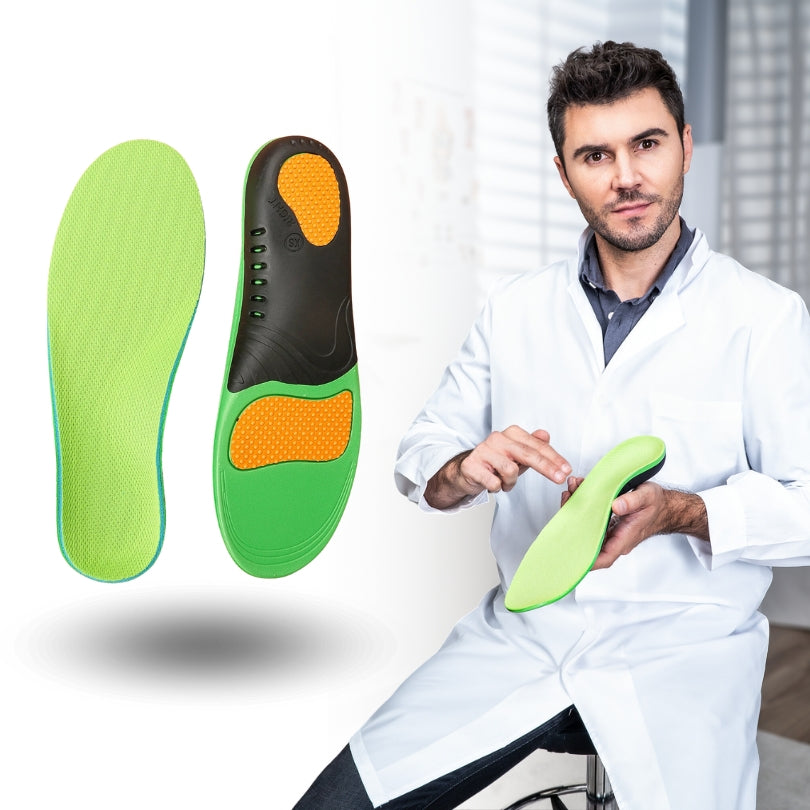
In most cases, mild flat feet or temporary discomfort do not require medical intervention. However, a specialist should be consulted if symptoms persist or worsen over time.
Key warning signs include consistent foot, knee, or leg pain, frequent tripping, or visible difficulty in maintaining balance while walking. Uneven shoe wear or a noticeable inward rolling of the foot can also indicate a deeper biomechanical issue.
If basic support solutions, including children insole orthopedic products, do not improve comfort after several weeks of use, a pediatric podiatrist or orthopedic specialist can perform a detailed assessment.
Early consultation helps ensure proper foot development and prevents compensatory posture issues that may affect long-term mobility.
Supporting Healthy Foot Development in Children
Choosing the right children insole orthopedic solution can make a significant difference in a child’s comfort, posture, and overall mobility during growth. While not every child requires orthopedic support, those experiencing flat feet, overpronation, or recurring fatigue may benefit from properly selected insoles.
The key is to match the level of support to the child’s actual needs and to monitor improvements over time. Combined with good footwear and, when necessary, professional guidance, insoles can play a preventive and corrective role in healthy foot development.
Ultimately, early attention to foot health helps build a stronger foundation for long-term posture and movement efficiency.