

Diabetic Shoes: What They Are and How to Choose the Right Pair
According to the American Diabetes Association, 1 in 4 people with diabetes will develop a foot ulcer — and improper footwear is among the leading triggers. Yet most patients don't realize that standard shoes, even comfortable ones, can silently cause irreversible tissue damage on insensitive feet. Diabetic shoes are not a lifestyle upgrade. They are a clinical tool designed to prevent wounds before they start. If you or someone you care for is managing diabetes, understanding what makes footwear truly protective could be the most important health decision you make this year.
What Makes a Shoe "Diabetic"?
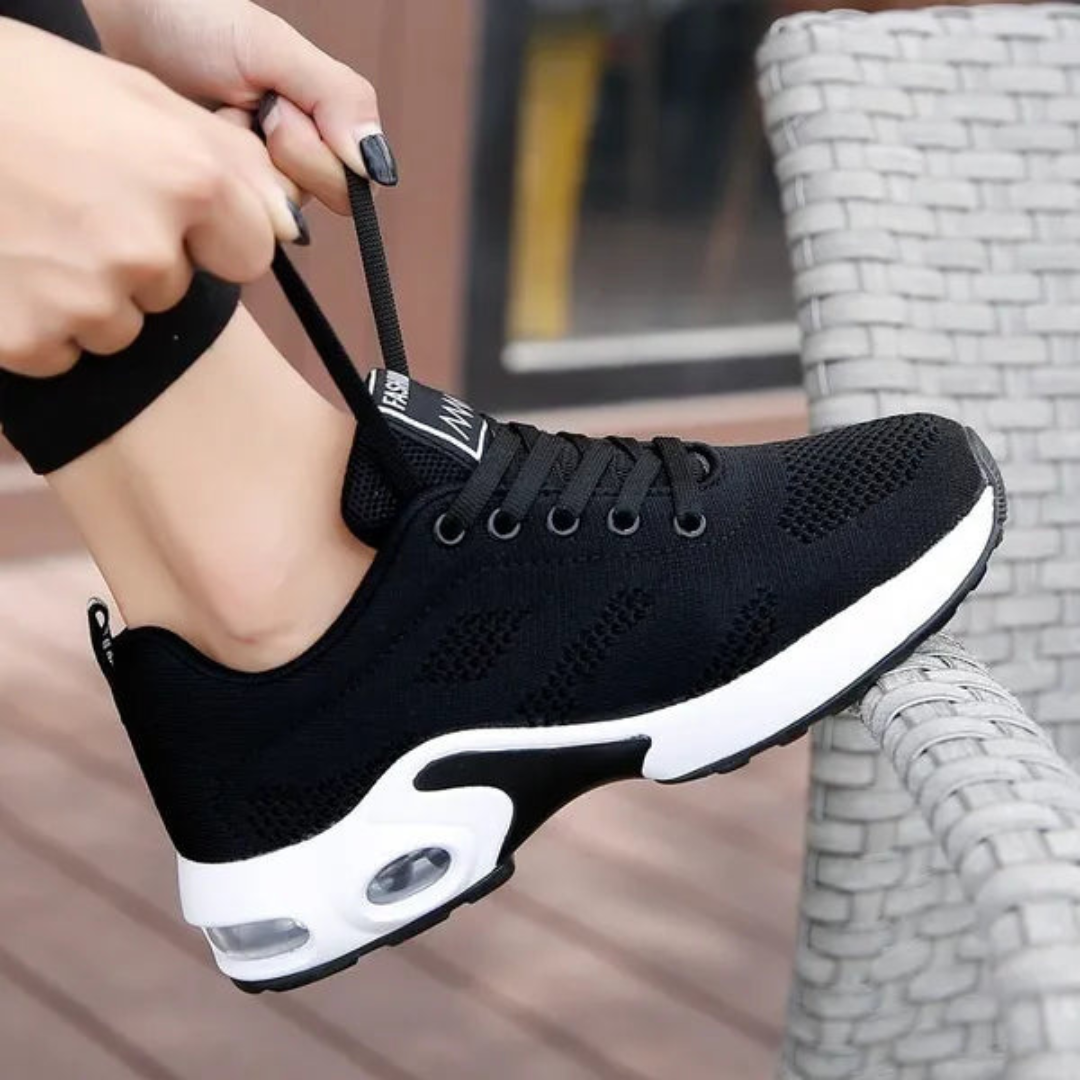
Not every wide or cushioned shoe qualifies as a diabetic shoe. The distinction is medical, not cosmetic. Diabetes — particularly when it causes peripheral neuropathy — removes the foot's natural warning system. A patient can no longer feel the friction, pressure, or heat that signals early tissue damage. This transforms minor shoe flaws into serious threats.
Certified therapeutic footwear must meet a precise set of structural criteria to be considered clinically protective:
- Extra depth: at least 1/4 to 3/8 inch deeper than standard shoes, allowing room for therapeutic insoles without compressing the toes
- Seamless interior: internal seams that cause mild irritation in healthy feet can produce full-thickness blisters within 2 hours on a neuropathic foot
- Wide toe box: eliminates lateral pressure on any part of the forefoot
- Removable insole: allows custom orthotics and enables daily shoe inspection
- Breathable upper: reduces heat and moisture that accelerate fungal infection and skin breakdown
If a shoe doesn't meet all five criteria, it's a comfort shoe — not a diabetic shoe.
Who Needs Diabetic Shoes?
Not every person with diabetes has the same level of foot risk. Clinical guidelines identify four profiles that require therapeutic footwear without exception:
1. Peripheral neuropathy patients: Reduced or absent sensation in the feet means damage accumulates silently. This is the highest-risk profile and the primary indication for certified diabetic footwear.
2. Patients with foot deformities: Hammertoes, claw toes, bunions, and prominent metatarsal heads create focal pressure points that standard shoes cannot accommodate. Every step concentrates force on an already vulnerable area.
3. Chronic edema sufferers: Feet that swell throughout the day require adjustable closures and flexible uppers. A rigid shoe becomes a compression device by afternoon.
4. Post-surgical or wound recovery patients: Healing tissue demands zero friction and zero pressure. Standard footwear at this stage is a direct amputation risk factor.
If any of these conditions apply, therapeutic footwear is not optional — it is part of the treatment plan.
Check out this guide too: Bunion Pain: Causes, Symptoms & Fast Relief Solutions That Work
Diabetic Shoes: 5 Key Features to Look For
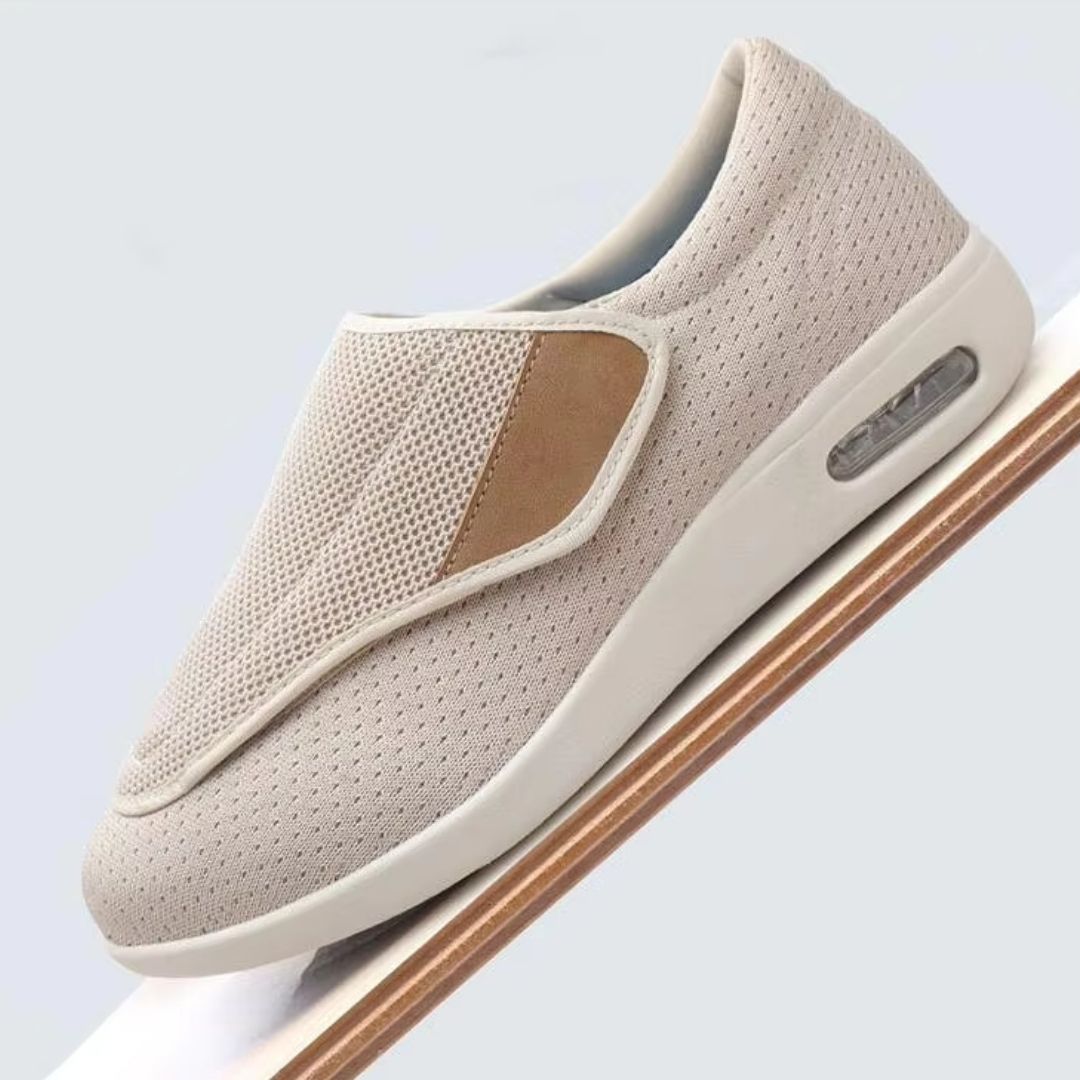
Choosing the right diabetic shoes requires moving beyond marketing claims. These are the five non-negotiable features every podiatrist evaluates before making a recommendation:
1. Extra Depth Construction. A minimum of 1/4 inch additional depth prevents toe compression and accommodates therapeutic insoles without creating a tighter fit. Without this, adding an orthotic simply displaces the foot upward — increasing pressure, not reducing it.
2. Seamless or Minimal-Seam Interior. Every internal seam is a potential wound site on a neuropathic foot. Look for single-piece knit uppers or fully lined interiors with no raised stitching against the skin.
3. Wide or Extra-Wide Toe Box. The forefoot must sit without any lateral contact. Toe box width should allow full natural splay — particularly critical for patients with bunions or hammertoes.
4. Removable Insole. This feature serves two functions: it accommodates custom prescription orthotics, and it allows the insole to be removed for daily inspection — a non-negotiable habit in diabetic foot care.
5. Adjustable Closure System. Velcro straps or adjustable lacing allow the shoe to adapt to daily swelling fluctuations. A fixed closure that fits well at 9am may act as a tourniquet by 4pm.
A shoe that compromises on even one of these features is not providing full diabetic protection.
Diabetic Shoes vs. Orthopedic Shoes
This is one of the most common points of confusion — and it matters clinically.
- Orthopedic shoes: are designed to correct biomechanical dysfunction. They realign the foot, redistribute plantar pressure, and address structural issues like flat feet, overpronation, or joint misalignment. Their primary goal is mechanical correction.
- Diabetic shoes: are designed to protect compromised tissue. Their primary goal is wound prevention — eliminating every source of friction, pressure, and heat that could initiate a lesion on an insensitive foot.
The two categories overlap, but they are not interchangeable. An orthopedic shoe without a seamless interior and extra depth is not safe for a neuropathic foot. Conversely, the best diabetic shoes incorporate orthopedic principles — arch support, pressure redistribution, and stability — without compromising on protective construction.
This is precisely the design philosophy behind our orthopedic collection at Semello: footwear engineered to meet both standards simultaneously, so patients never have to choose between correction and protection.
Check out this guide too: Plantar Fascia Strain Symptoms: 7 Signs That Actually Matter
Diabetic Shoes: Our Recommended Picks
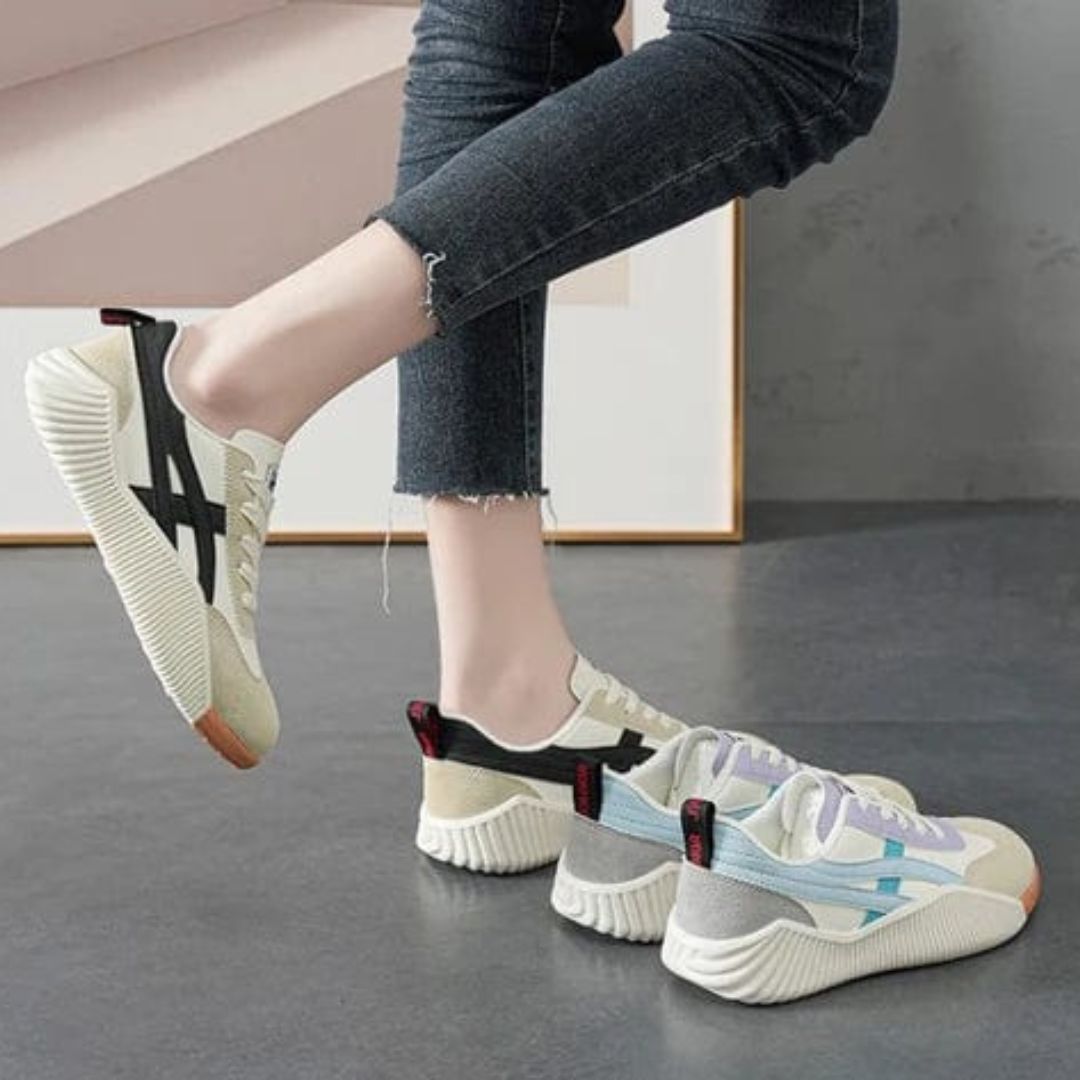
At Semello, every shoe in our orthopedic collection is evaluated against the clinical criteria outlined above. Here are three picks particularly well-suited for diabetic foot care:
1. Orthopedic Sneakers for Bunions
Engineered with a wide toe box and seamless knit upper, this model eliminates the lateral pressure that makes bunions a high-risk deformity in diabetic patients. The removable insole accommodates custom orthotics without sacrificing depth. Ideal for active patients managing mild to moderate neuropathy.
2. Wide Fit Orthopedic Shoes
Designed for patients with chronic edema or broader foot morphology, this model features an adjustable closure system that adapts to daily swelling fluctuations. The extra-depth construction ensures no toe compression regardless of insole thickness. A reliable choice for all-day wear.
3. Comfortable Orthopedic Walking Shoes
Our most versatile option for patients who need diabetic shoes that transition seamlessly from clinical to everyday environments. Lightweight, breathable upper, fully lined interior with no exposed seaming, and a stable sole that reduces plantar pressure on every stride.
All three models are available in multiple widths and feature removable insoles — meeting the core requirements that podiatrists look for when recommending therapeutic footwear.

Daily Foot Care Reminder
Even the best diabetic shoes cannot replace daily foot inspection. Patients with neuropathy must examine the entire plantar surface, between the toes, and the top of each toe every single day — using a mirror or smartphone camera if direct visualization is difficult.
Look for:
- New blisters or redness
- Callus buildup at pressure points
- Foreign objects inside the shoe before wearing
- Any skin breakdown that hasn't healed within 14 days
Any unhealed wound after two weeks requires immediate podiatric evaluation. Early presentation is the single most preventable risk factor for amputation.
Your Feet Carry Everything — Protect Them Like It
Diabetes transforms a minor shoe flaw into a life-altering wound. The right therapeutic footwear eliminates that risk before it starts — not after. Whether you are managing early neuropathy, chronic edema, or recovering from foot surgery, the shoe you wear every day is an active medical decision.
Don't wait for a wound to take footwear seriously. Choose shoes engineered to the clinical standards your feet require, explore your Medicare coverage, and consult your podiatrist for a personalized recommendation.