

Best Insoles for Heel Pain | Expert Guide & Top Picks
Heel pain is one of the most common foot complaints worldwide, affecting both active individuals and people who spend long hours standing. According to clinical data from podiatry associations, nearly 1 in 10 adults will experience chronic heel pain at some point in their lives, most often linked to plantar fasciitis or excessive pressure on the heel. Finding the right insoles for heel pain can significantly reduce discomfort by redistributing pressure, improving foot alignment, and absorbing daily impact forces during walking or standing.
From a biomechanical perspective, heel pain is rarely caused by a single factor. Instead, it is usually the result of poor arch support, repetitive stress, or improper footwear. This is why orthopedic specialists often recommend supportive insoles as a first-line, non-invasive solution before considering medical intervention.
In this guide, we will break down the real causes of heel pain and explain how the right insole design can deliver both immediate relief and long-term support based on expert principles.
What Causes Heel Pain? Understanding the Root Problem

Heel pain is not a condition in itself but a symptom of underlying biomechanical stress or inflammation affecting the structures of the foot. To effectively choose insoles for heel pain, it is essential to understand what is actually causing the discomfort.
In most cases, heel pain develops gradually due to repeated pressure, poor foot alignment, or strain on the plantar fascia. Over time, these factors create micro-tears, inflammation, or bone irritation that result in persistent pain when walking, standing, or running.
Plantar Fasciitis (Most Common Cause)
Plantar fasciitis is the leading cause of heel pain worldwide. It occurs when the plantar fascia, a thick band of tissue connecting the heel bone to the toes, becomes inflamed due to overuse or excessive stretching.
Patients typically experience sharp pain in the morning or after long periods of rest. Without proper support, the condition can become chronic and significantly affect mobility.
Heel Spurs (Bone-Related Stress)
Heel spurs are calcium deposits that form on the underside of the heel bone. They often develop as a response to long-term strain on the foot muscles and ligaments.
Although heel spurs themselves are not always painful, they are frequently associated with inflammation in surrounding tissues, which increases discomfort during movement or pressure on the heel.
Overpronation & Flat Feet
Overpronation occurs when the foot rolls inward excessively while walking. This misalignment places uneven pressure on the heel and arch, leading to long-term stress and pain.
Flat feet intensify this issue because the lack of natural arch support causes the heel to absorb more impact than it is designed to handle. Over time, this can result in chronic heel discomfort and fatigue.
Expert Perspective: From a biomechanical standpoint, all three conditions share a common factor: excess stress concentration on the heel area. This is why podiatry experts often recommend structural support through orthopedic solutions such as insoles for heel pain, which help redistribute pressure and correct alignment rather than simply masking symptoms.
Do Insoles Really Help Heel Pain?
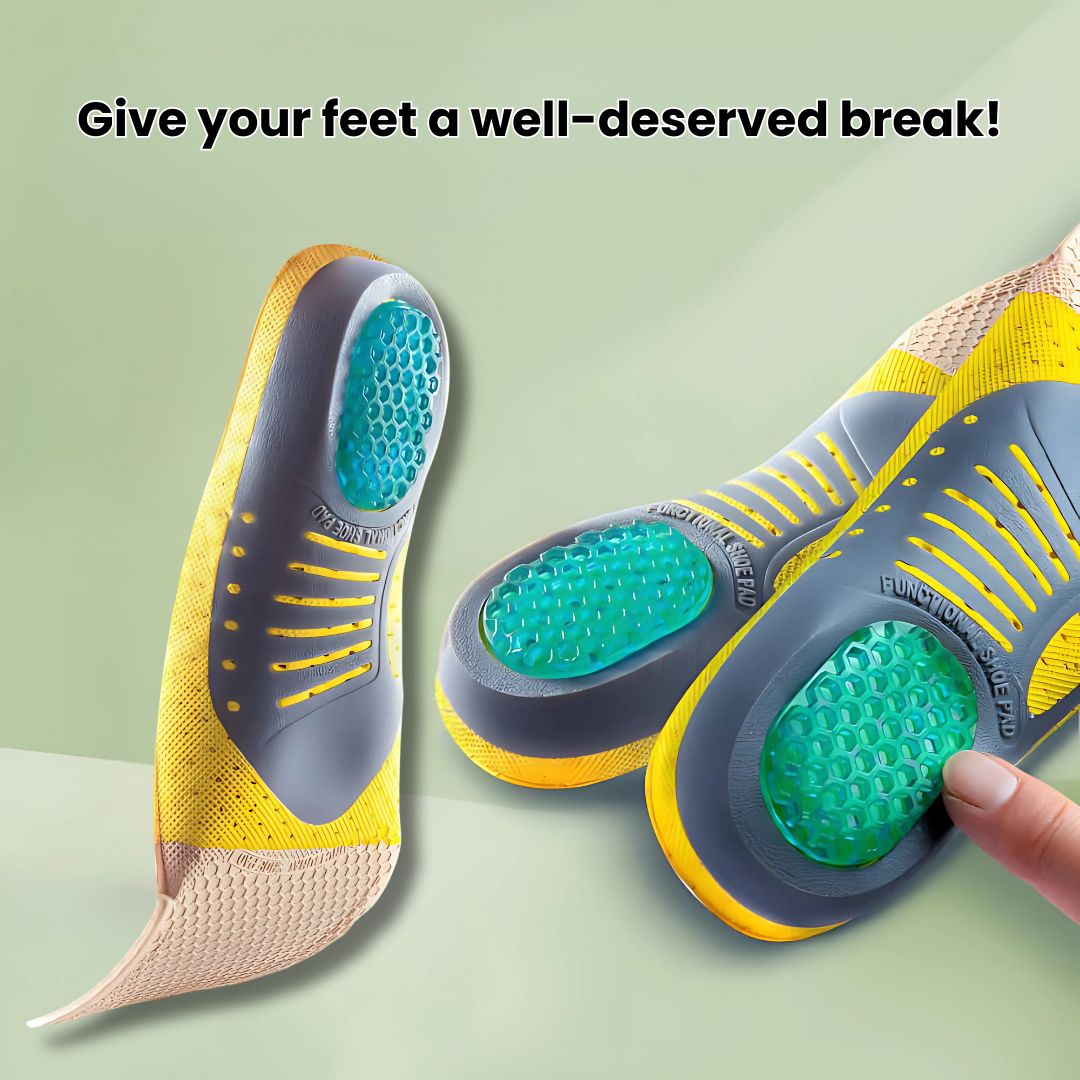
Yes, well-designed orthopedic insoles can significantly reduce heel pain, especially when the discomfort is caused by plantar fasciitis, overpronation, or repetitive impact stress. Clinical podiatry practice consistently shows that external foot support can improve pain levels without invasive treatment.
The effectiveness of insoles for heel pain comes from their ability to modify how pressure is distributed across the foot during movement. Instead of allowing the heel to absorb most of the impact, insoles help shift part of the load toward the arch and midfoot, reducing strain on sensitive tissues.
Pressure Redistribution and Shock Absorption
One of the main benefits of insoles is pressure redistribution. Each step creates a force that travels through the heel. Without support, this repeated impact can worsen inflammation and delay healing.
High-quality insoles reduce this stress by absorbing shock and evenly distributing weight across the entire foot. This is especially important for individuals who stand or walk for long hours.
Improved Foot Alignment
Heel pain is often linked to poor alignment of the foot and ankle. When the foot collapses inward or outward, the heel compensates by absorbing uneven pressure.
Orthopedic insoles help correct this imbalance by guiding the foot into a more neutral position. Over time, this reduces mechanical stress and supports natural movement patterns.
Support for Daily Activities
Another key advantage is functional support during daily activities. Whether walking, working, or exercising, insoles provide continuous cushioning that reduces fatigue and discomfort.
While they are not a “cure” for underlying conditions, they are widely recommended as a first-line conservative treatment in podiatry because they improve comfort and mobility without side effects.
Clinical Perspective: Foot specialists often emphasize that conservative treatments like insoles should be combined with proper footwear and stretching routines. In many cases, patients report noticeable improvement within a few weeks of consistent use, especially when using structured insoles designed for heel support.
Key Features of the Best Insoles for Heel Pain
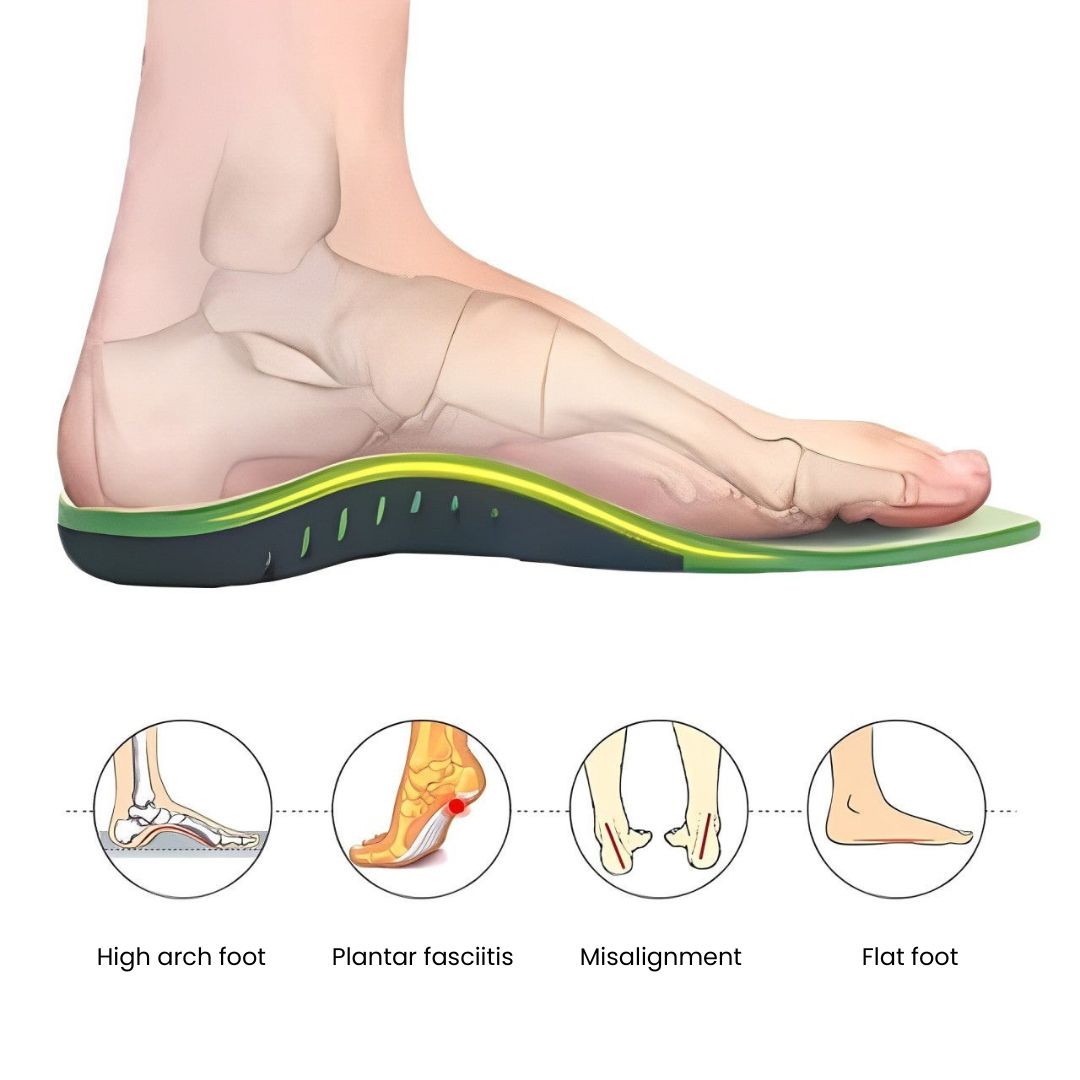
Choosing effective support products requires understanding what actually makes a difference in pain reduction. Not all insoles are designed the same, and only specific biomechanical features can truly help reduce heel stress and improve comfort over time.
High-quality insoles for heel pain are designed to address three core problems: impact absorption, arch instability, and heel pressure concentration.
Strong Arch Support
A properly structured arch support is one of the most important features in any orthopedic insole. It helps maintain the natural curve of the foot and prevents excessive collapse during walking or standing.
When the arch is supported correctly, pressure is redistributed away from the heel, reducing strain on the plantar fascia and surrounding tissues.
Deep Heel Cup Stability
A deep heel cup helps lock the heel into a stable position. This reduces unwanted side-to-side movement and keeps the foot properly aligned with each step.
This feature is especially important for individuals with chronic heel pain, as it minimizes micro-impact stress that can worsen inflammation over time.
Shock Absorption Materials
Material technology plays a major role in comfort and effectiveness. Common materials include EVA foam, gel layers, and memory foam structures. Each material serves a specific purpose:
- EVA foam provides lightweight cushioning and durability
- Gel absorbs high-impact shocks during walking or running
- Memory foam adapts to foot shape for personalized comfort
A good insole often combines multiple materials for balanced performance.
Proper Fit and Shoe Compatibility
Even the best insole will fail if it does not fit correctly inside the shoe. Full-length insoles offer complete foot support, while ¾-length options are better for tighter footwear.
Proper fit ensures that the foot remains stable and that the biomechanical benefits are fully activated during movement.
9+ Best Types of Insoles for Heel Pain: Expert Recommended Solutions
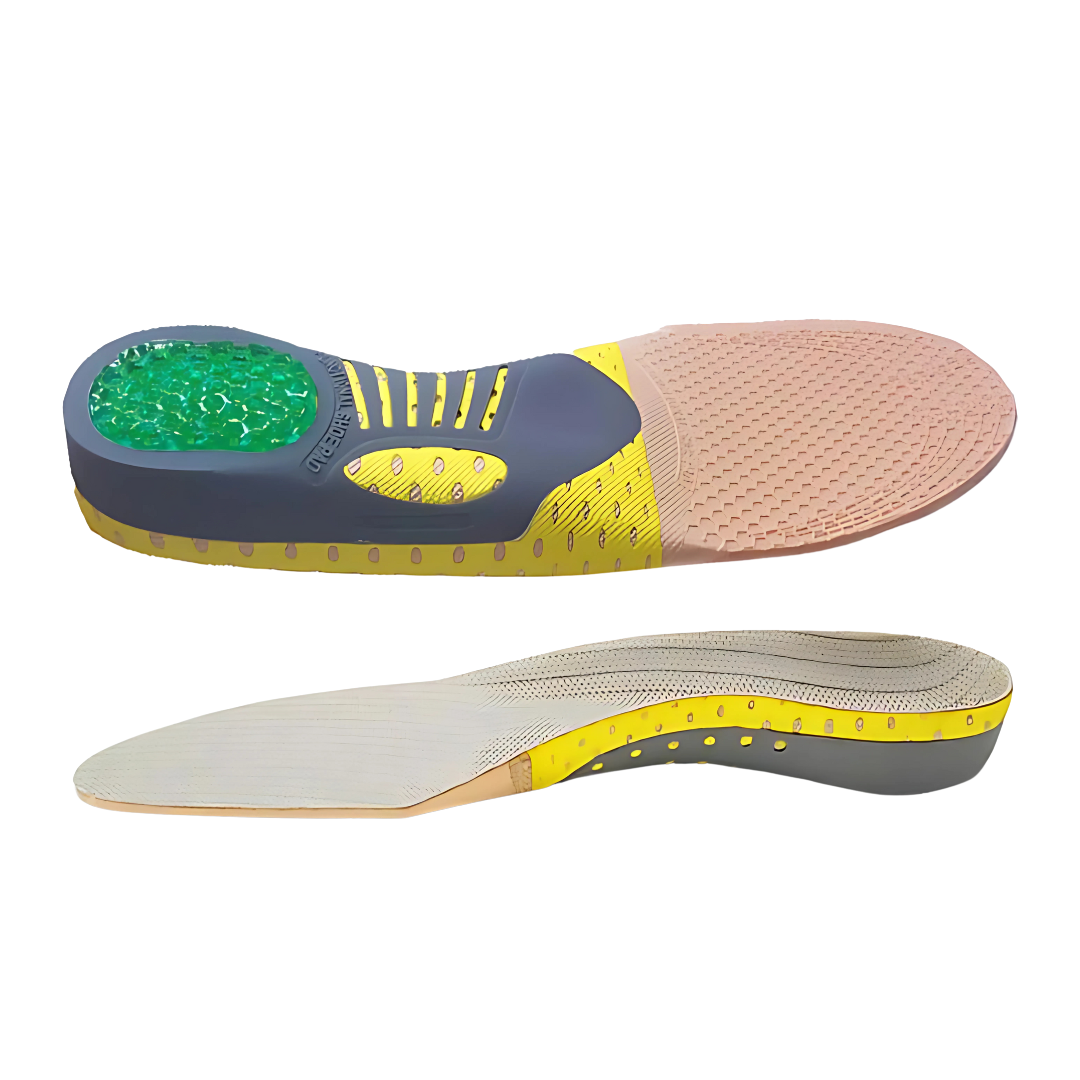
When selecting support for foot discomfort, there is no universal solution. Different causes of heel pain require different levels of cushioning, stability, and correction. That is why using targeted insoles for heel pain based on your condition is essential for achieving both fast relief and long-term improvement.
Below is a carefully selected range of 9 expert-recommended insole types designed to address specific pain profiles and foot structures.
Heel Spur Insoles – Heel Pain Relief
Heel spur insoles are designed to reduce direct pressure on the heel bone. They often include extra cushioning around the heel area to minimize impact during walking.
- Best for sharp heel pain in the morning
- Helps reduce pressure on bone spurs
- Improves comfort during daily movement
Plantar Fasciitis Insole – Daily Comfort
This type of insole focuses on supporting the plantar fascia and reducing inflammation over time.
- Supports the arch and heel simultaneously
- Reduces strain on plantar fascia tissue
- Ideal for daily long-term wear
Orthopedic Insoles for Plantar Pain
These insoles provide full biomechanical correction for individuals suffering from chronic plantar pain.
- Improves foot alignment
- Distributes pressure evenly
- Helps reduce long-term inflammation
Orthopedic Insoles for Bunions
Although primarily designed for forefoot alignment, these insoles indirectly reduce heel stress by correcting overall foot posture.
- Improves walking posture
- Reduces compensatory heel pressure
- Enhances shoe comfort
Elite Performance Carbon Insoles
Built for athletes and high-impact activity, carbon insoles offer maximum stability and energy return.
- Rigid structure for sport performance
- Reduces heel impact during running
- Enhances stability and propulsion
Flat Foot Arch Support Insole
Flat feet often lead to excessive heel pressure due to collapsed arches. This insole corrects that imbalance.
- Restores arch structure
- Reduces overpronation
- Decreases heel overload
Gel Comfort Absolute Insole
Gel-based insoles focus on immediate shock absorption and comfort.
- Instant cushioning effect
- Ideal for standing or walking long hours
- Reduces impact pain quickly
ConfortPlus™ – Pain-Relief Orthopedic Insoles
A balanced solution combining cushioning and structural support.
- Suitable for daily work use
- Combines support and comfort
- Helps reduce fatigue and heel strain
Flat Foot Insole Optimal Support
Designed for advanced flat foot correction with reinforced arch support.
- Strong structural alignment
- Improves foot stability
- Reduces chronic heel pressure

How to Choose the Right Insoles for Heel Pain?
Choosing the right support product is not only about cushioning or comfort, but about matching the insole to the exact biomechanical cause of your pain. The effectiveness of insoles for heel pain depends heavily on how well they align with your foot type, activity level, and pain pattern.
A correct choice can significantly reduce discomfort within days, while a poor match may provide little or no relief.
Based on the Type of Pain
Different pain patterns indicate different underlying issues:
- Sharp morning pain: often linked to plantar fasciitis
- Deep bone-like pain: may indicate heel spur irritation
- General fatigue pain: often related to overuse or poor cushioning
Understanding your pain type helps narrow down the most effective insole design.
Based on Foot Structure
Your natural foot shape plays a major role in pressure distribution:
- Flat feet: require strong arch support
- Neutral arches: need balanced cushioning and stability
- High arches: benefit from shock-absorbing materials
Ignoring foot structure often leads to ineffective support and continued heel stress.
Based on Activity Level
Daily activity also influences the best choice:
- Standing work: prioritize cushioning + pressure relief
- Walking long distances: need balanced support and durability
- Sports or running: require stability and shock control
The more impact your feet absorb, the more structured the insole should be.
Based on Shoe Type
Not all insoles fit every shoe:
- Athletic shoes: full-length orthopedic insoles
- Formal shoes: thinner or ¾-length models
- Boots: thicker support systems with stability reinforcement
Proper fit ensures biomechanical effectiveness and prevents discomfort.
Expert Guidance: Podiatric experts emphasize that the best results are achieved when insoles are selected based on cause + structure + activity, not just comfort level. This personalized approach is key to effectively managing heel pain without invasive treatment.
When Insoles Are Not Enough
Orthopedic insoles are highly effective for reducing heel pain, but they do not solve every case. In some situations, even well-designed insoles for heel pain may not provide sufficient relief if the underlying condition is more severe or requires medical attention.
If heel pain persists for more than 3 to 4 weeks despite consistent use of insoles, this may indicate a chronic issue such as advanced plantar fasciitis or a structural foot imbalance that cannot be fully corrected with support alone. In these cases, additional evaluation is recommended.
Severe or persistent plantar fasciitis can significantly limit daily activities, with strong morning pain and ongoing discomfort during walking. Similarly, heel pain following an injury, fall, or sudden impact should always be carefully assessed to rule out conditions such as stress fractures or soft tissue damage.
From a clinical perspective, insoles are considered a first-line conservative solution rather than a definitive treatment. They help reduce pressure, improve alignment, and support healing, but they work best when combined with proper diagnosis and, when necessary, physiotherapy or medical care.
Ignoring persistent symptoms may delay recovery, so professional evaluation is recommended when pain does not improve over time.
Final Expert Advice
Heel pain is a multifactorial condition that requires a structured and consistent approach to achieve lasting relief. Throughout this guide, we have seen that biomechanical imbalance, inflammation, and repetitive stress are the main contributors to discomfort in the heel area.
Using properly designed insoles for heel pain can significantly reduce pressure, improve alignment, and support the natural movement of the foot. However, the best results are achieved when insoles are selected based on the specific cause of pain, such as plantar fasciitis, heel spurs, or overpronation.
From an expert perspective, the most effective strategy combines three elements: adequate arch support, shock absorption, and consistent use over time. When paired with proper footwear and basic stretching habits, insoles become a powerful non-invasive solution for managing heel pain in daily life.
Ultimately, early intervention is key. Addressing heel discomfort as soon as symptoms appear can prevent progression into chronic conditions and improve long-term foot health. Choosing the right support is not just about comfort—it is about restoring proper biomechanics and protecting your mobility.