

Kids Insoles: Expert Guide to the Right Support for Your Child's Feet
As a parent, watching your child complain of foot pain or fatigue after school can be worrying — and often overlooked. Yet according to a study published in the Journal of Foot and Ankle Research, up to 44% of children experience some form of foot problem during their development years. The right kids insoles can make a significant difference — supporting healthy growth, correcting alignment, and relieving pain before it becomes a long-term issue. Here's how to choose wisely.
Do Kids Really Need Insoles?
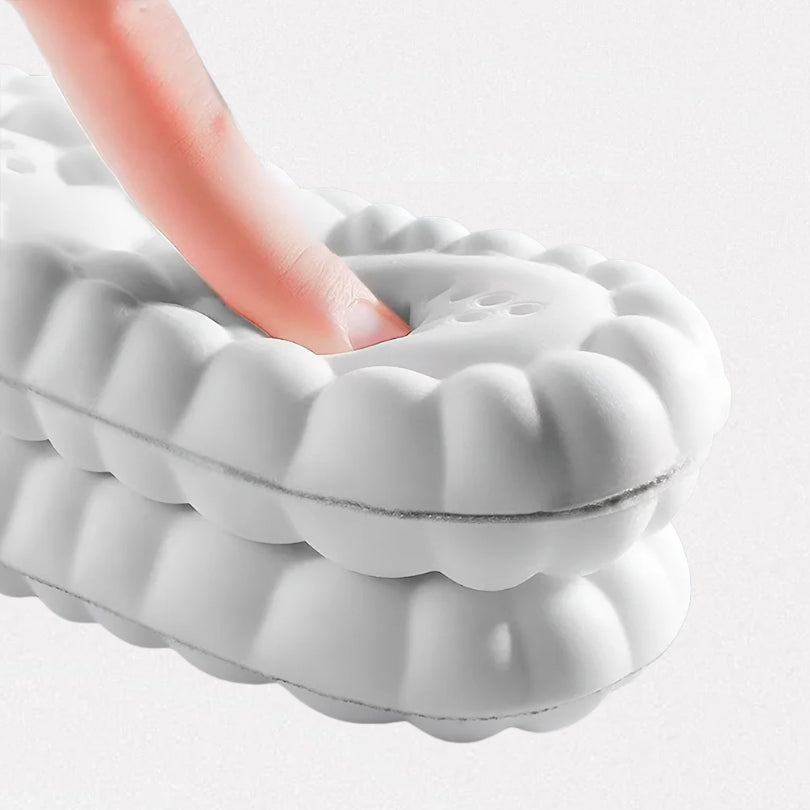
Not every child needs insoles — but some genuinely do. During childhood, feet are still developing, and certain conditions won't self-correct without proper support. As a general rule, pediatric podiatrists recommend insoles when a child shows three key warning signs:
- Persistent foot or heel pain, especially after physical activity
- Rapid fatigue when walking or standing for moderate periods
- Abnormal gait patterns such as toe-walking, inward rolling, or uneven shoe wear
Flat feet alone don't always require intervention. However, when combined with pain or postural compensation, insoles become a clinically relevant solution. The earlier the support is introduced, the better the long-term outcome for the child's musculoskeletal development.
Check out this guide: Best Insoles for Flat Feet: Expert-Reviewed Guide to Find the Right Support
Types of Kids Insoles: What Problem Are You Solving?
Choosing the right insole starts with identifying the underlying issue. Here's a quick diagnostic guide used by pediatric podiatrists:
|
Condition |
Recommended Insole Type |
|
Flat feet / overpronation |
Arch support insoles |
|
Heel pain (Sever's disease) |
Deep heel cup insoles |
|
Plantar fasciitis |
Cushioned orthopedic insoles |
|
High arch |
Neutral cushion insoles |
|
Bunions |
Orthopedic insoles for bunions |
|
General comfort / sport |
Gel comfort or performance insoles |
Each condition requires a different biomechanical response. For example, flat feet need medial arch reinforcement to prevent overpronation, while sever's disease — the most common cause of heel pain in children aged 8 to 14 — requires shock absorption at the heel strike zone.
A one-size-fits-all approach rarely works in pediatric foot care. Matching the insole to the condition is what delivers real, lasting relief — and it's exactly what the product selection below is built around.
Kids Insoles: Our Top 9 Picks
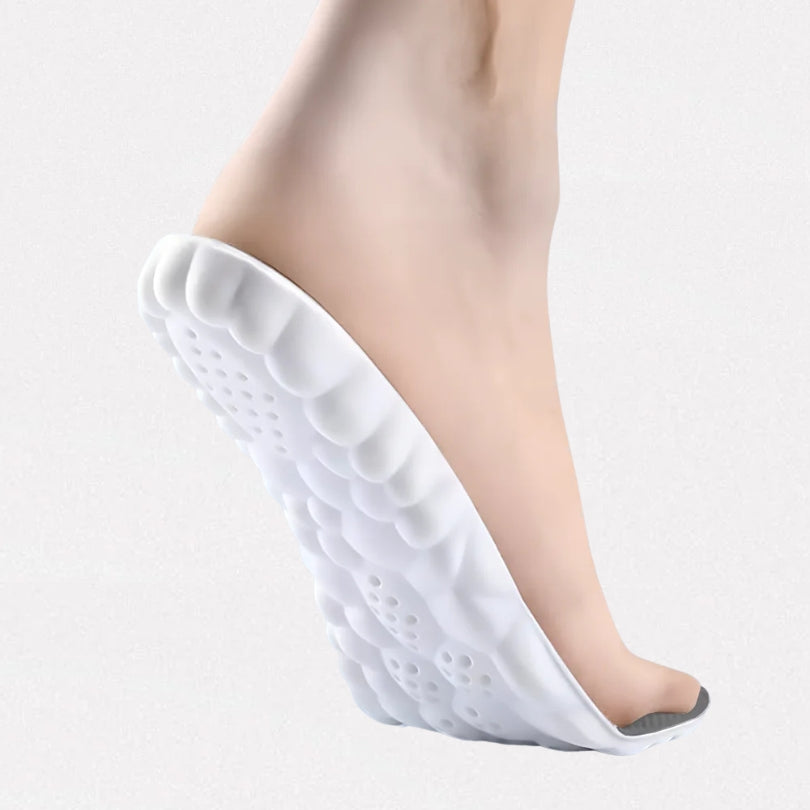
Browse our collection of the best orthopedic insoles for kids:
1. Heel Spur Insoles – Heel Pain Relief
Designed with a reinforced heel cup that absorbs impact at every step, these insoles target the painful pressure points caused by heel spurs. Ideal for school-age children who spend long hours on hard floors. Compatible with most school and casual shoes.
- Best for: Heel spurs & chronic heel pain
2. Plantar Fasciitis Insole – Daily Comfort
This insole provides targeted arch support to reduce tension along the plantar fascia. The semi-rigid structure guides the foot into proper alignment without restricting natural movement — a key feature for growing feet in daily wear shoes.
- Best for: Plantar fasciitis & arch strain
3. Orthopedic Insoles for Plantar Pain
A clinical-grade orthopedic profile with multi-zone cushioning. Particularly effective for children who complain of foot fatigue after school or sports. The contoured base distributes weight evenly, reducing pressure on sensitive areas.
- Best for: General plantar pain & fatigue
4. Orthopedic Insoles for Bunions
Bunions in children are more common than most parents realize. These insoles feature a metatarsal pad that relieves pressure on the big toe joint while correcting forefoot alignment. Suitable for wider shoes and school footwear.
- Best for: Bunions & forefoot misalignment
5. Elite Performance Carbon Insoles
Built for performance, these carbon-reinforced insoles deliver maximum energy return and stability during running, jumping, and lateral movements. Recommended for children involved in football, basketball, or athletics training.
- Best for: Active kids & high-impact sports
6. Flat Foot Arch Support Insole
The go-to solution for pediatric flatfoot. A firm medial arch support corrects inward rolling and realigns the ankle and knee chain. Podiatrists frequently recommend this profile as a first-line intervention before considering custom orthotics.
- Best for: Flat feet & overpronation
7. Gel Comfort Absolute Insole
Full-length gel cushioning makes this insole an excellent choice for children with sensitive feet or those transitioning to harder shoe soles. Lightweight and easily transferable between shoes — practical for busy families.
- Best for: Everyday comfort & sensitive feet
8. ConfortPlus™ – Pain-Relief Orthopedic Insoles
A versatile orthopedic insole combining arch support, heel cushioning, and metatarsal relief in a single profile. The ConfortPlus™ is especially well-suited for children dealing with multiple discomfort points simultaneously — a common scenario during growth spurts.
- Best for: Multi-condition pain relief
9. Flat Foot Insole – Optimal Support
Where standard arch support isn't enough, this insole steps in with a higher arch profile and reinforced heel stabilizer. Designed for children with moderate to severe flatfoot who need structured correction without the cost of custom orthotics.
- Best for: Moderate to severe flat feet

How to Choose the Right Size & Fit?
Getting the size right is as important as choosing the correct insole type. Here's a quick checklist:
- Measure your child's foot in the evening, when feet are slightly larger after a day of activity
- Use the trimming guidelines printed on most insoles — cut gradually and test the fit before finalizing
- Check shoe compatibility : insoles work best in shoes with a removable factory insole; simply swap them out for a seamless fit
- Match the insole volume to the shoe : low-profile insoles for slim school shoes, thicker cushioned models for sports shoes or boots
One key clinical tip: replace kids insoles every 6 to 12 months. Children's feet grow rapidly, and a worn or ill-fitting insole can do more harm than good over time.
Check out this guide: Plantar Fascia Strain Symptoms: 7 Signs That Actually Matter
When to See a Podiatrist Instead
Over-the-counter kids insoles are effective for most common conditions — but they have limits. Consult a pediatric podiatrist if:
- Pain persists beyond 2 to 3 weeks despite consistent insole use
- Your child shows significant gait abnormalities that worsen over time
- There is visible deformity in the foot or ankle structure
- Your child experiences pain at rest, not just during activity
In these cases, custom orthotics or medical intervention may be necessary. OTC insoles are a strong first step — but professional evaluation ensures nothing serious is missed.
The Right Kids Insoles Can Change Everything
Foot health in childhood lays the foundation for a lifetime of healthy movement. Whether your child needs arch support, heel cushioning, or performance enhancement, there is a precise solution in this guide. Start with the problem, match it to the right insole type, and don't hesitate to seek professional advice when needed. Your child's comfort and development are worth every step.