

Best Morton’s Neuroma Orthotic Insoles: Top 7 Expert Picks & Guide
Morton’s neuroma is one of the most common causes of forefoot pain, affecting an estimated 1 in 3 adults who regularly wear tight or ill-fitting shoes, according to podiatric studies. This condition occurs when a nerve between the toes becomes compressed, leading to burning pain, tingling, or the sensation of walking on a pebble.
If you're searching for relief, mortons neuroma orthotic insoles are often recommended as a first-line, non-invasive solution. These specialized insoles are designed to redistribute pressure away from the affected nerve, reduce inflammation, and improve foot alignment.
However, not all insoles are effective. Choosing the wrong type can actually worsen symptoms. In this expert guide, we break down exactly which orthotic insoles work best, why they are effective, and how to choose the right one based on your foot type and daily activities.
What Is Morton’s Neuroma and Why Insoles Help?
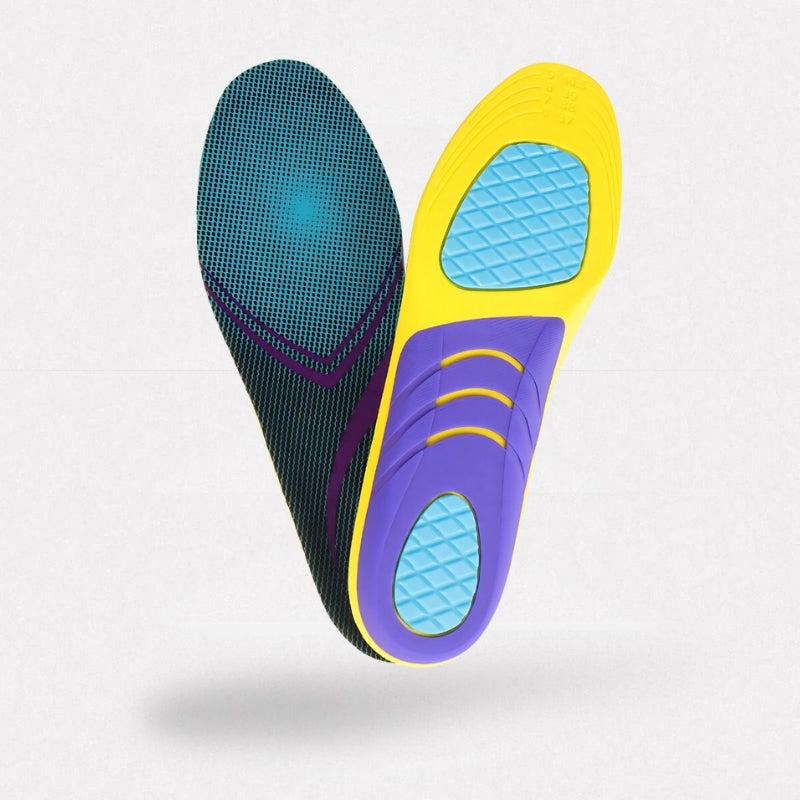
Morton’s neuroma is a nerve condition affecting the forefoot, most commonly between the third and fourth toes. It develops when repeated pressure or irritation causes the tissue around the nerve to thicken, leading to compression. Over time, this results in sharp pain, burning sensations, numbness, or the feeling of having a small object stuck under the foot.
Why does it happen?
Several biomechanical factors increase the risk:
- Tight or narrow shoes (especially high heels)
- Excessive pressure on the ball of the foot
- Flat feet or high arches
- Repetitive impact activities like running
How orthotic insoles relieve the pain
High-quality mortons neuroma orthotic insoles work by addressing the root cause: pressure overload in the forefoot. Here’s how they help:
- Pressure redistribution: They shift body weight away from the irritated nerve, reducing compression.
- Metatarsal support: A well-placed metatarsal pad lifts and separates the bones slightly, relieving nerve pressure instantly.
- Improved foot alignment: By supporting the arch, insoles correct abnormal foot mechanics (like overpronation), which contributes to the condition.
- Shock absorption: They reduce repetitive stress during walking or running.
Expert insight: The most effective approach is not just cushioning, but structural support combined with targeted pressure relief. This is where many basic gel insoles fail.
Check out this guide: Do Bunion Splints Work? What the Evidence Really Says
What Makes the Best Orthotic Insoles for Morton’s Neuroma?
Not all insoles are designed to relieve nerve compression. To be effective, mortons neuroma orthotic insoles must include specific features that directly target the source of pain rather than just masking it.
Metatarsal Support (Essential Feature)
This is the most critical element. A metatarsal pad is strategically placed just behind the ball of the foot to:
- Lift and separate the metatarsal bones
- Reduce pressure on the affected nerve
- Improve weight distribution
Expert tip: Poorly positioned pads can worsen symptoms. Precision matters more than size.
Proper Arch Support
Arch support stabilizes the foot and prevents excessive motion such as overpronation, which increases forefoot pressure.
- Flat feet: need firm arch support
- High arches: need flexible but structured support
Without proper alignment, even the best cushioning won’t solve the issue.
Cushioning vs Structural Support
A common misconception is that softer equals better.
- Soft gel insoles: temporary comfort only
- Structured orthotics: long-term relief
Expert insight: The best mortons neuroma orthotic insoles combine firm support with targeted cushioning, not the other way around.
Shoe Compatibility
Many users overlook this factor, yet it’s crucial.
- Thick insoles may not fit narrow shoes
- Sports shoes allow more structured orthotics
- Dress shoes require slim-profile designs
A poorly fitted insole can increase pressure instead of relieving it.
Durability and Material Quality
High-quality materials ensure consistent support over time:
- EVA foam for shock absorption
- TPU or composite shells for structure
- Breathable top layers for comfort
Cheap insoles lose effectiveness quickly, especially under repeated stress.
Top 7 Best Morton's Neuroma Orthotic Insoles: Expert Picks
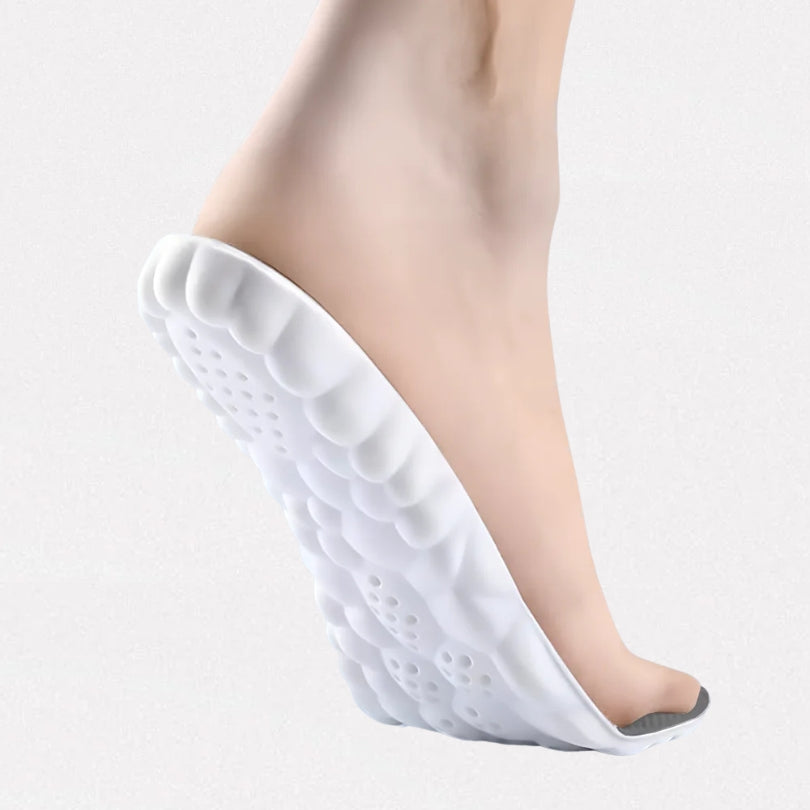
After analyzing biomechanical needs, user feedback, and orthotic design principles, here are the 7 best-performing insoles for relieving forefoot nerve pain. Each option below targets pressure reduction, alignment, and long-term comfort.
1. Heel Spur Insoles – Heel Pain Relief
Best for: Dual pain (heel + forefoot)
Key benefits:
- Strong arch support stabilizes foot mechanics
- Good pressure distribution across the foot
- Durable structure for daily use
Limitations:
- Less targeted metatarsal support compared to specialized models
Expert verdict: A solid all-rounder, especially if you also suffer from heel pain.
2. Plantar Fasciitis Insole – Daily Comfort
Best for: Everyday wear
Key benefits:
- Balanced cushioning and support
- Comfortable for long hours standing or walking
- Reduces overall foot fatigue
Limitations:
- Moderate effectiveness for severe neuroma cases
Expert verdict: Ideal for mild to moderate symptoms and daily use.
3. Orthopedic Insoles for Plantar Pain
Best for: General forefoot pain
Key benefits:
- Firm support structure
- Helps reduce pressure on the ball of the foot
- Improves alignment
Limitations:
- Requires adaptation period
Expert verdict: Reliable option if your pain is linked to poor foot mechanics.
4. Orthopedic Insoles for Bunions
Best for: Combined conditions (bunions + neuroma)
Key benefits:
- Reduces pressure on the forefoot
- Encourages better toe alignment
- Improves walking comfort
Limitations:
- Less targeted for nerve-specific pain
Expert verdict: Great if you have multiple foot issues affecting the forefoot.
5. Elite Performance Carbon Insoles
Best for: Sports and high-impact activities
Key benefits:
- Rigid carbon structure for maximum support
- Excellent energy return
- Reduces repetitive stress
Limitations:
- Not ideal for casual or soft shoe use
Expert verdict: Perfect for athletes needing stability and performance.
6. Flat Foot Arch Support Insole
Best for: Flat feet (overpronation)
Key benefits:
- Strong arch correction
- Reduces inward foot rolling
- Decreases pressure on the forefoot
Limitations:
- Can feel too firm for some users
Expert verdict: One of the best mortons neuroma orthotic insoles for flat-footed individuals.
7. Gel Comfort Absolute Insole
Best for: Immediate comfort
Key benefits:
- Soft cushioning
- Easy to adapt
- Good for short-term relief
Limitations:
- Lacks structural support
- Limited long-term effectiveness
Expert verdict: Comfortable but not sufficient alone for treating the root cause.
The most effective mortons neuroma orthotic insoles are not necessarily the softest ones. Models with metatarsal support and proper arch structure consistently deliver better long-term results, especially when matched to your foot type.
Check out our complete collection of insoles now and make the right choice:

Custom vs Over-the-Counter Insoles: Which Is Better?
When dealing with nerve compression in the forefoot, many users hesitate between custom-made orthotics and ready-to-use solutions. Understanding the difference is essential before investing in mortons neuroma orthotic insoles.
|
Criteria |
Custom Orthotics |
Over-the-Counter (OTC) Insoles |
|
Fit |
Fully personalized to foot anatomy |
Pre-designed standard shapes |
|
Cost |
High |
Affordable |
|
Availability |
Requires prescription or specialist |
Immediately available |
|
Effectiveness (mild cases) |
Very high |
High |
|
Effectiveness (severe cases) |
Very high |
Moderate to high |
|
Adaptation time |
Longer |
Short to moderate |
|
Best use case |
Severe or chronic conditions |
First-line treatment & daily relief |
In most cases, well-designed mortons neuroma orthotic insoles (OTC) are enough to significantly reduce symptoms, especially when chosen correctly based on foot type and pressure distribution needs.
Check out this guide: Bunion Pain: Causes, Symptoms & Fast Relief Solutions That Work
How to Choose the Right Insole for Your Foot Type?
Choosing the right mortons neuroma orthotic insoles is not just about comfort—it’s about matching the insole design to your foot biomechanics. A poor match can reduce effectiveness or even worsen symptoms.
Flat Feet (Overpronation)
Flat feet tend to collapse inward when walking, which increases pressure on the forefoot. This extra load often worsens nerve compression in Morton’s neuroma. The best mortons neuroma orthotic insoles for this foot type include firm arch support to restore alignment. Proper stabilization helps reduce stress on the metatarsal area and improves overall walking comfort.
High Arches (Supination)
High arches create less natural shock absorption during movement, which transfers more impact to the ball of the foot. This can intensify pain linked to nerve irritation. Insoles with cushioning and flexible support help absorb impact more effectively. A balanced design is essential to protect the forefoot without creating additional pressure points.
Neutral Feet
Neutral feet generally distribute weight more evenly, but they can still develop Morton’s neuroma due to footwear or activity level. Moderate arch support combined with a metatarsal pad is usually sufficient. The goal is to maintain natural alignment without over-correcting the foot. Well-designed mortons neuroma orthotic insoles in this case focus on comfort and pressure relief.
Activity Level Matters Too
People who stand for long hours need insoles that prioritize cushioning and pressure distribution. Athletes or runners require more structured support to manage repeated impact forces. For everyday use, a balanced insole that combines comfort and stability works best. The right choice always depends on how and where the feet are used.
Common Mistakes That Make Your Neuroma Worse
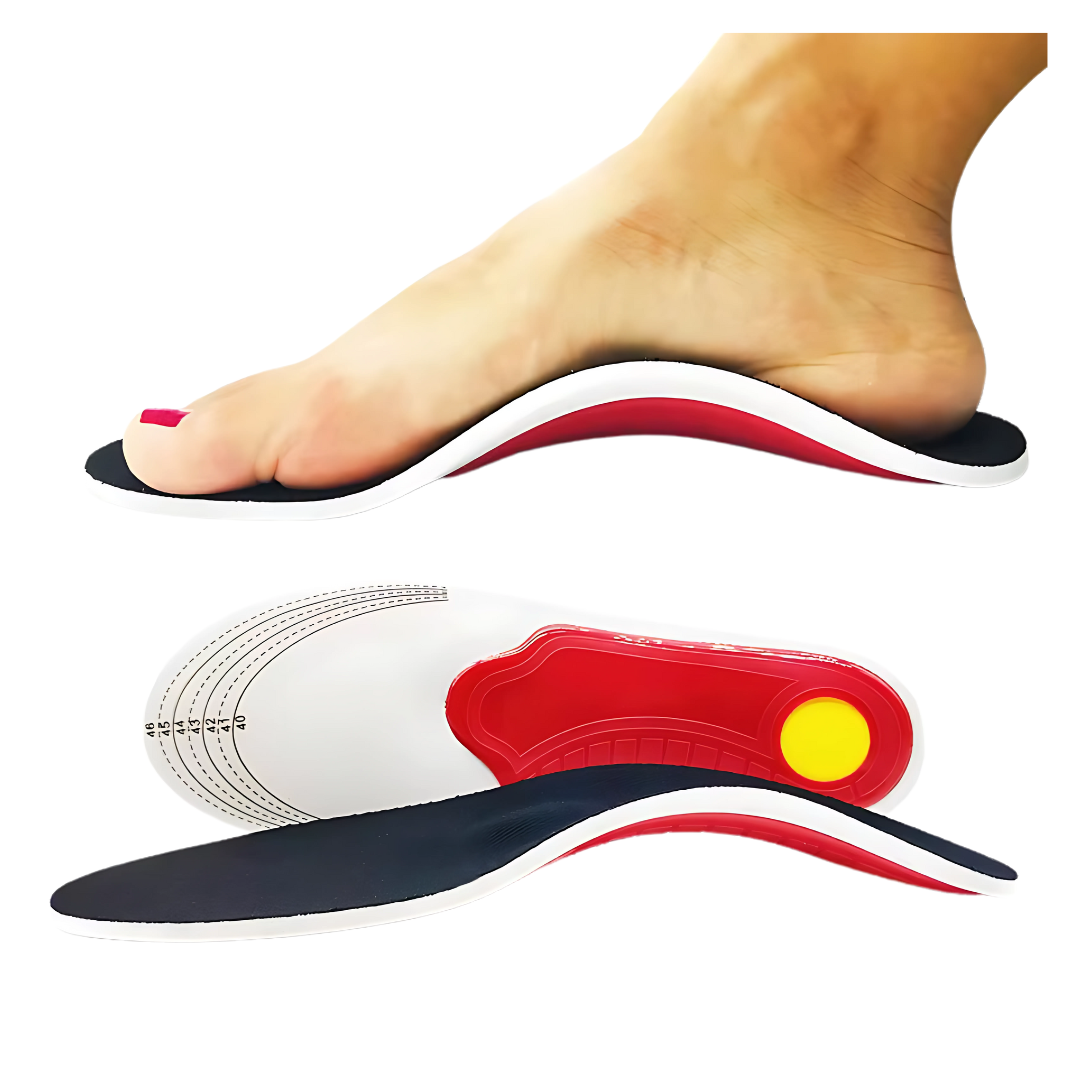
Many people try to relieve Morton’s neuroma symptoms with insoles, but small mistakes can actually increase nerve compression and prolong pain. Understanding what not to do is just as important as choosing the right mortons neuroma orthotic insoles. These errors often explain why some users see no improvement even with good-quality products. Here are the most common issues to avoid.
Using overly soft gel insoles
Soft gel insoles may feel comfortable at first, but they often fail to reduce mechanical pressure on the nerve. Without structural support, the metatarsal bones continue to compress the irritated area. This can lead to persistent or even worsening symptoms over time. Effective relief requires both cushioning and firm support working together.
Incorrect placement of the metatarsal pad
If the metatarsal pad is not positioned correctly, it loses its therapeutic effect. When placed too far forward or backward, it can actually increase pressure on the nerve. The correct position is just behind the ball of the foot to gently lift the metatarsals. Precision in placement is a key factor in the success of mortons neuroma orthotic insoles.
Wearing narrow or tight shoes
Even the best insoles cannot compensate for shoes that compress the forefoot. Tight footwear squeezes the toes together and increases nerve irritation with every step. This creates constant pressure that prevents healing. Proper shoe width is essential for orthotic insoles to work effectively.
Ignoring foot biomechanics
Many users focus only on cushioning without addressing underlying structural issues like flat feet or high arches. This means the root cause of pressure imbalance remains untreated. Over time, this can reduce the effectiveness of any insole solution. The best mortons neuroma orthotic insoles always work in harmony with foot alignment correction.
Check out this guide: Plantar Fascia Strain Symptoms: 7 Signs That Actually Matter
When Insoles Are Not Enough?
In many mild to moderate cases, mortons neuroma orthotic insoles are highly effective at reducing pressure and relieving symptoms. However, there are situations where insoles alone are not sufficient to fully resolve the condition. Recognizing these cases early helps avoid prolonged pain and ineffective self-treatment.
Persistent or Severe Pain
If pain remains intense even after several weeks of consistent insole use, the condition may be more advanced. At this stage, nerve inflammation can become chronic and less responsive to mechanical relief alone. Medical treatments such as corticosteroid injections or physical therapy may be required. In rare cases, surgical intervention is considered.
No Improvement After Footwear and Insole Changes
When both proper shoes and high-quality orthotic insoles fail to provide relief, it often indicates that the nerve compression is too severe. This means structural correction alone is not enough to reduce symptoms. A specialist evaluation becomes necessary to assess the progression of the condition. Early diagnosis is key to avoiding long-term complications.
Progressive Worsening Symptoms
If symptoms gradually worsen despite using mortons neuroma orthotic insoles, this may signal ongoing nerve irritation. Ignoring this progression can lead to permanent nerve damage. At this point, conservative treatments should be reassessed quickly. A podiatrist can help determine the next appropriate step.
Best Morton’s Neuroma Orthotic Insoles: Final Expert Takeaway
Morton’s neuroma is primarily a mechanical problem caused by excessive pressure on the forefoot nerve. In most cases, well-designed orthotic support significantly reduces symptoms by correcting alignment and redistributing pressure. However, success depends on choosing the right mortons neuroma orthotic insoles and combining them with proper footwear habits. Early intervention and correct insole selection remain the most effective non-invasive approach.