

6 Best Orthopedic Shoes for Women With Foot Pain
Finding the right footwear is essential for long-term foot health, especially for women experiencing discomfort from bunions, flat feet, or prolonged standing. Orthopedic shoes for women are specifically designed to reduce pressure points, improve alignment, and enhance daily comfort without sacrificing style.
According to podiatry research published in the Journal of Foot and Ankle Research, improper footwear is one of the leading contributors to chronic foot pain, affecting nearly 75% of adults at some point in their lives. This highlights the importance of choosing shoes that properly support foot biomechanics.
Unlike traditional footwear, orthopedic designs focus on correcting pressure distribution and improving posture from the ground up. In this guide, we will break down what makes these shoes effective, the different types available, and how to choose the right pair based on your specific needs.
What Are Orthopedic Shoes for Women?

Orthopedic shoes are specially designed footwear created to support the natural structure of the foot and reduce mechanical stress during walking or standing. Unlike standard shoes, they are built with medical-grade principles that focus on alignment, pressure distribution, and long-term comfort.
orthopedic shoes for women are specifically engineered to address common female foot issues such as bunions, plantar pain, and forefoot pressure caused by narrow or high-heeled shoes. They typically feature a wider toe box, supportive arch structure, and cushioned soles to improve stability and reduce discomfort.
From a biomechanical perspective, these shoes help maintain proper foot positioning, which can positively influence knee, hip, and lower back alignment. This makes them particularly beneficial for women who spend long hours on their feet or experience chronic foot fatigue.
In essence, orthopedic footwear is not only about comfort—it is a preventive and corrective solution designed to improve overall mobility and reduce the progression of foot deformities over time.
Key Features of The Best Orthopedic Shoes for Women
The effectiveness of orthopedic footwear depends on several key structural elements designed to improve comfort, alignment, and foot health. High-quality orthopedic shoes are not just cushioned—they are engineered to support the entire kinetic chain from the feet upward.
Wide toe box for natural alignment
A wide toe box allows the toes to spread naturally during movement. This reduces pressure on sensitive areas, especially for individuals with bunions or forefoot pain, and helps improve overall balance.
Arch support for better weight distribution
Proper arch support is essential to maintain foot stability. It helps distribute body weight evenly across the foot, reducing strain on the heels, ankles, and knees while improving posture.
Cushioning and shock absorption
Advanced cushioning systems absorb impact during walking or standing. This minimizes stress on joints and reduces fatigue, particularly for women with active or work-intensive lifestyles.
Breathable and flexible materials
High-quality orthopedic shoes use breathable fabrics and flexible uppers to prevent overheating and friction. This ensures long-lasting comfort, even during extended wear in warm climates or high-activity conditions.
Together, these features define what makes orthopedic shoes for women effective in both preventing pain and supporting daily mobility. They are designed not only for comfort but also for long-term foot health improvement.
Check out this guide: Best Insoles for Flat Feet: Expert-Reviewed Guide to Find the Right Support
Types of Orthopedic Shoes for Women
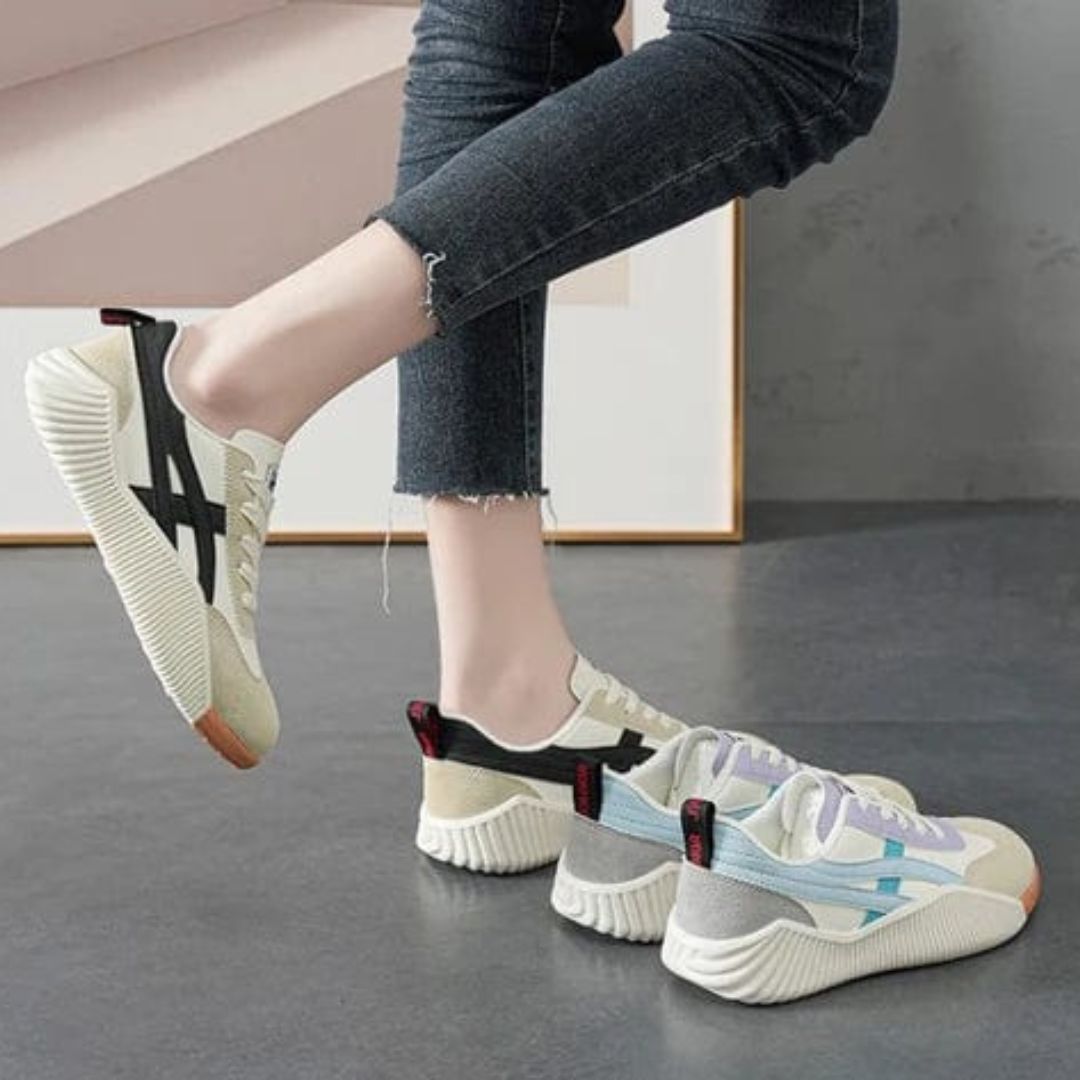
This section helps identify the most effective shoe categories depending on foot condition, lifestyle, and comfort needs. Each type of footwear serves a specific biomechanical or functional purpose, especially for women dealing with bunions, foot pain, or prolonged standing.
1. Orthopedic Sneakers for Bunion
These shoes are designed with extra space in the forefoot area to reduce pressure on bunions. They are ideal for daily walking and light physical activity, offering a balance between support and flexibility.
2. Modern and Comfortable Orthopedic Shoes
This category focuses on combining medical-level support with modern aesthetics. They are suitable for work, casual outings, and everyday wear without compromising style or comfort.
3. Wide Fit Orthopedic Shoes
Wide fit models are essential for women with broader feet or deformities. They prevent compression, reduce friction, and help avoid long-term pain caused by tight footwear.
4. Anatomical Shoe for Bunion
Anatomically designed shoes follow the natural shape of the foot. They are specifically engineered to reduce bunion pressure and improve toe alignment during walking.
5. Orthopedic Shoes for Women
This is the most versatile category, offering overall foot support. It is designed for general use, combining cushioning, arch support, and stability for daily comfort.
6. Modern Breathable Orthopedic Shoes
These shoes prioritize airflow and lightweight construction. They are ideal for warm climates and long hours of use, helping reduce sweating and discomfort.
Together, these categories show how orthopedic shoes for women are not a single solution but a range of specialized designs tailored to different needs and lifestyles.

Who Should Wear Orthopedic Shoes for Women?
Orthopedic footwear is not limited to people with severe foot conditions—it is designed for a wide range of users who prioritize comfort, prevention, and long-term mobility. Women experiencing bunions, plantar heel pain, flat feet, or general forefoot discomfort are the primary candidates. These conditions often worsen when wearing narrow or unsupportive shoes, making structured footwear an effective solution.
Orthopedic shoes for women are also highly recommended for individuals who spend long hours standing or walking, such as healthcare workers, teachers, retail staff, and professionals in active environments. The improved cushioning and arch support help reduce fatigue throughout the day.
Additionally, they are beneficial for women seeking preventive care. Even without pain, wearing supportive shoes can help maintain proper alignment and reduce the risk of developing future foot problems. In short, orthopedic footwear is suitable for anyone looking to improve comfort, posture, and overall foot health in daily life.
Benefits of Orthopedic Shoes for Women
Orthopedic footwear provides a combination of therapeutic and functional advantages that go far beyond basic comfort. These benefits are especially important for women dealing with chronic foot stress or long hours of standing. One of the main strengths of this type of footwear is its ability to improve daily comfort and reduce strain across the entire body.
Orthopedic shoes for women deliver several key benefits:
- Pain reduction in the heels, arches, and forefoot through better pressure distribution
- Improved posture by supporting proper foot alignment, which positively affects knees, hips, and spine
- Prevention of foot conditions such as bunions and flat feet by reducing long-term mechanical stress
- Enhanced comfort for extended wear, making them ideal for work and active lifestyles
- Better stability and balance, reducing fatigue during walking or standing for long periods
By combining cushioning, support, and biomechanical correction, orthopedic shoes are not just a comfort solution but also a preventive tool for long-term foot health. Overall, they represent a practical investment in mobility, posture, and daily well-being.
How to Choose the Right Pair?
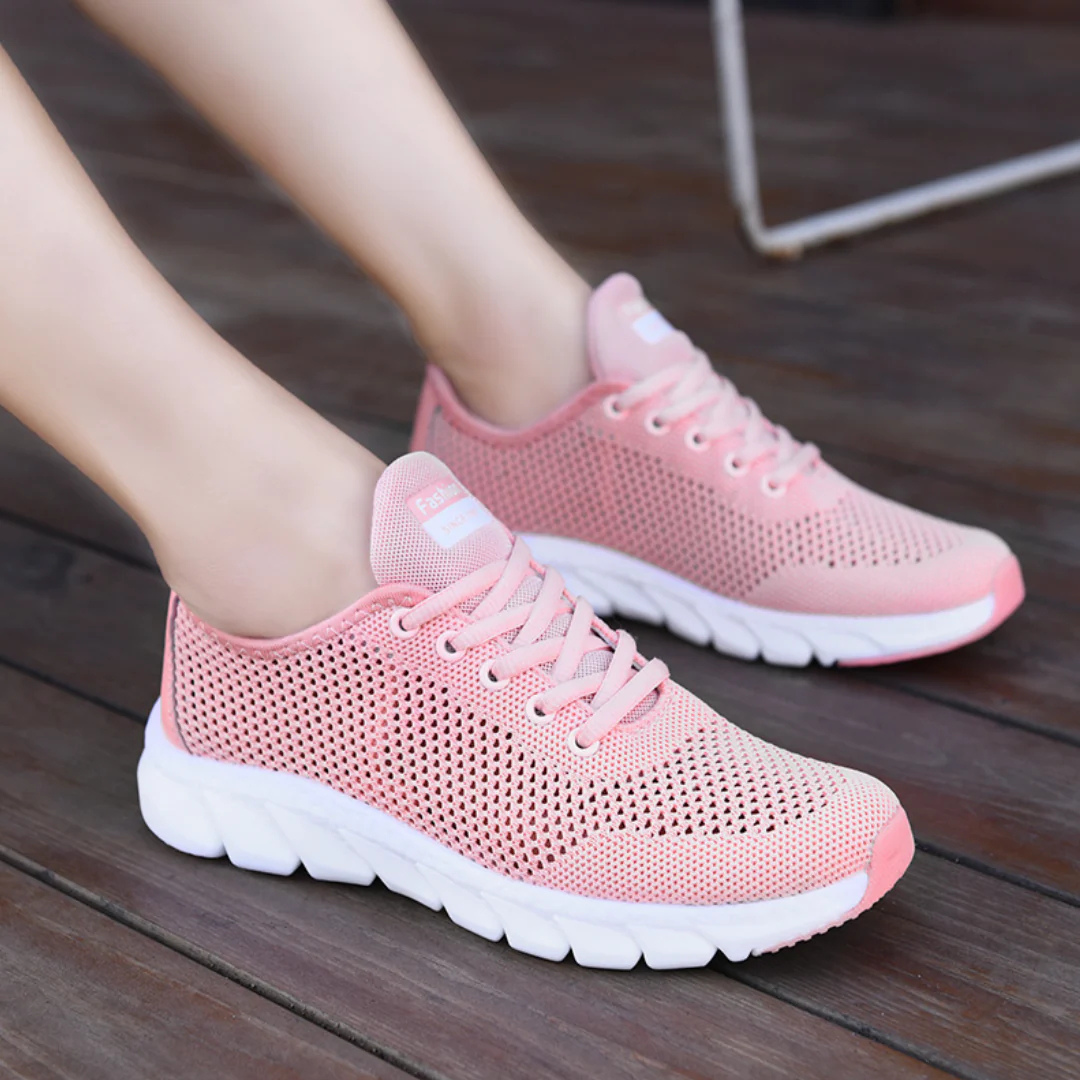
Choosing the right orthopedic footwear requires more than selecting a comfortable-looking shoe. It involves understanding foot structure, daily activity level, and specific pain points to ensure proper support and long-term benefits.
The first step is identifying your foot type. Women with bunions or forefoot pain should prioritize a wide toe box to reduce pressure and allow natural toe movement. Those with flat feet or arch collapse should focus on strong arch support to maintain alignment.
It is also important to consider daily usage. For long hours of standing or walking, cushioning and shock absorption become essential to reduce fatigue and joint stress. When evaluating options, orthopedic shoes for women should always be tested later in the day when feet are slightly swollen, as this reflects real-life conditions more accurately.
Key factors to consider include:
- Proper width (especially for bunions or wide feet)
- Arch support level based on foot shape
- Cushioning quality for impact reduction
- Breathable materials for long-term comfort
- Flexibility without losing structural support
Finally, avoid shoes that are too tight or rigid, as they can worsen existing foot problems over time rather than improve them.
Check out this guide: Do Bunion Splints Work? What the Evidence Really Says
Expert Tips from Foot Health Principles
Foot health specialists emphasize that long-term comfort depends on consistent support rather than occasional relief. Small adjustments in footwear habits can significantly reduce pain and prevent the progression of common foot conditions.
One of the most important principles is maintaining enough space in the forefoot area. Excessive compression is a major contributor to bunion development and joint irritation over time. For this reason, choosing properly structured footwear is essential.
Another key recommendation is alternating between different pairs of supportive shoes. This helps distribute pressure differently across the feet and reduces repetitive strain. Orthopedic shoes for women are most effective when combined with simple daily habits that support foot biomechanics:
- Avoid narrow or pointed shoes that compress toes
- Replace worn-out soles that lose cushioning over time
- Prioritize stability over fashion when selecting daily footwear
- Allow feet to rest and recover after long standing periods
- Use supportive insoles if additional correction is needed
From a biomechanical perspective, consistent support helps maintain alignment not only in the feet but also in the knees and lower back, improving overall posture and reducing fatigue.
Final thoughts on orthopedic shoes for women
Choosing the right footwear is a long-term investment in comfort, mobility, and overall foot health. Rather than being a temporary solution, well-designed supportive shoes help reduce strain, improve posture, and prevent the progression of common foot conditions such as bunions or flat feet.
Throughout this guide, we have seen how structure, support, and proper fit play a crucial role in daily comfort. Whether for work, walking, or everyday use, the right pair can significantly improve quality of life.
Ultimately, orthopedic shoes for women are not just about relieving pain—they are about supporting natural movement and maintaining healthy biomechanics over time. Making an informed choice ensures both comfort today and better foot health in the future.