

Shoes for Bunions: Best Orthopedic & Wide Fit Shoes for Pain Relief
Bunions (hallux valgus) affect nearly 23% of adults aged 18–65 worldwide, according to orthopedic foot health studies, and the prevalence increases significantly with age and improper footwear habits. Choosing the right shoes for bunions is therefore not just a comfort decision, but a crucial factor in preventing pain progression and joint deformity.
When the big toe begins to deviate inward, pressure builds on the joint, leading to inflammation, redness, and chronic discomfort during walking or standing. Poorly designed shoes with narrow toe boxes are one of the main aggravating factors identified by podiatry specialists.
In this guide, we will help you identify the best solutions and understand how the right footwear can significantly reduce pain, improve mobility, and support natural foot alignment. You will also discover expert-approved shoe categories designed specifically for bunion relief and daily comfort.
What Are Bunions and Why Shoes Matter So Much?

Bunions are one of the most common forefoot deformities and can significantly affect daily comfort, walking ability, and quality of life. Understanding how they develop and why footwear plays such a critical role is essential before choosing the right solution.
Understanding bunions (hallux valgus)
A bunion, medically known as hallux valgus, is a progressive deformity of the big toe joint. It occurs when the big toe gradually shifts toward the second toe, creating a visible bony bump on the side of the foot. This misalignment is often accompanied by inflammation, redness, and persistent pain, especially when walking or wearing tight footwear.
This condition does not appear overnight. It develops slowly due to genetic predisposition, biomechanical imbalance, and, most importantly, unsuitable footwear over time. Narrow shoes, high heels, and rigid materials increase pressure on the forefoot and accelerate the deformity.
How the wrong shoes worsen bunion pain
Wearing inappropriate footwear is one of the leading external factors that worsen bunions. Shoes with a narrow toe box compress the toes, forcing the big toe further out of alignment. This increases friction on the joint and leads to chronic irritation.
In contrast, properly designed shoes for bunions help redistribute pressure, reduce inflammation, and allow the toes to move naturally. This is why podiatry experts consistently emphasize footwear as the first line of non-surgical management for bunion pain.
Check out this guide: Plantar Fascia Strain Symptoms: 7 Signs That Actually Matter
Key Features of the Best Shoes for Bunions: Expert Criteria
Choosing the right footwear is the most effective non-surgical way to manage bunion pain. Podiatry specialists consistently agree that proper shoe design can reduce pressure on the first metatarsophalangeal joint, improve walking comfort, and slow down symptom progression. Understanding the key features to look for is essential before selecting any pair.
Wide toe box is essential
One of the most important features in shoes for bunions is a wide toe box. This design allows the toes to spread naturally without compression, reducing pressure on the bunion area. A narrow front section is one of the main causes of pain flare-ups and should always be avoided.
Soft, flexible upper materials
Materials such as knit or soft leather help reduce friction on the bunion bump. Unlike rigid synthetic materials, flexible uppers adapt to the foot shape and prevent unnecessary irritation during walking or standing.
Cushioning and shock absorption
Good cushioning helps absorb impact forces during walking, especially on hard surfaces. This reduces stress on the forefoot and helps minimize inflammation around the bunion joint.
Anatomical & orthopedic design
Shoes designed with anatomical or orthopedic principles support the natural alignment of the foot. They distribute pressure more evenly and reduce overload on the big toe joint, making daily movement significantly more comfortable.
Best Shoes for Bunions by Type of Need
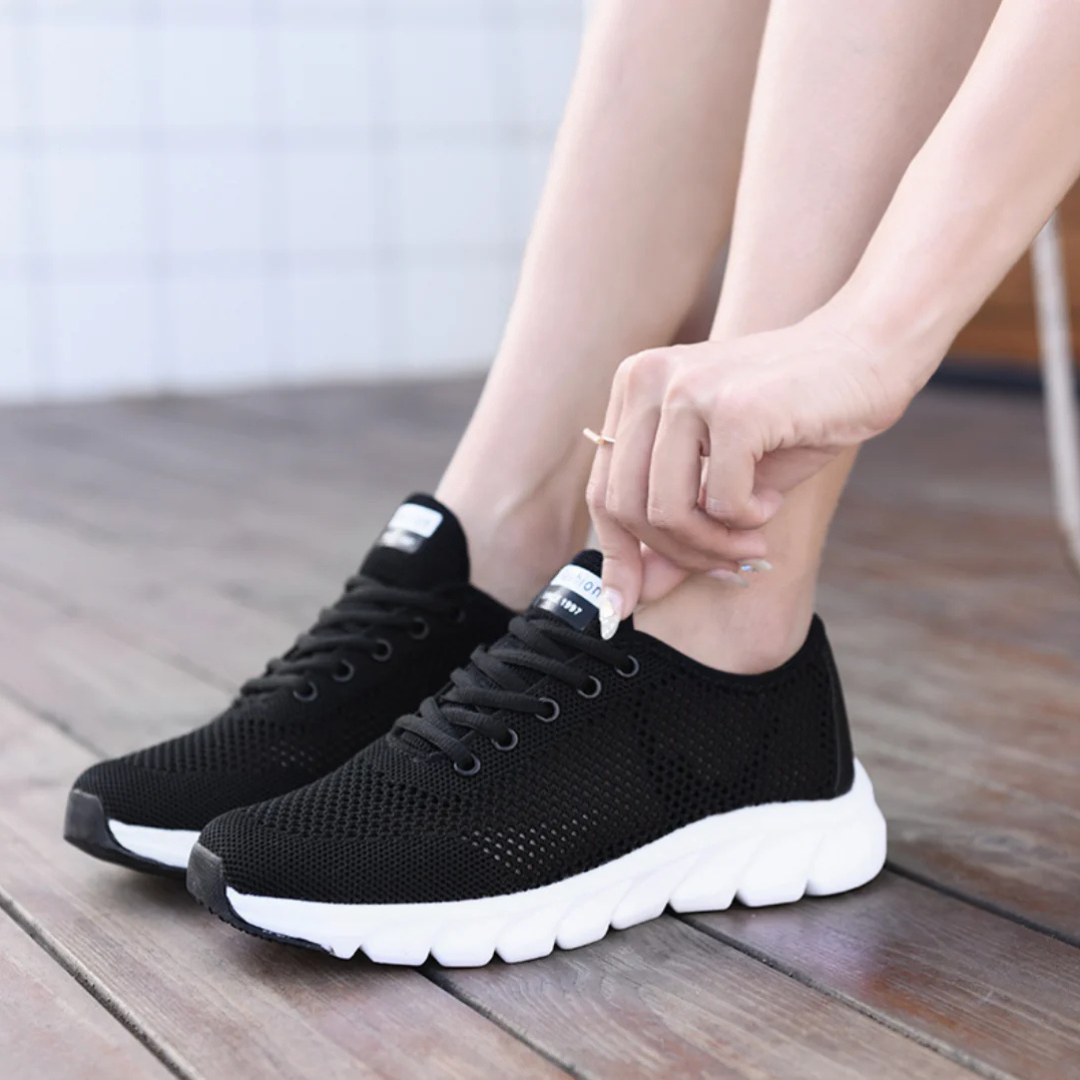
Choosing the right footwear depends heavily on your daily activities, pain level, and foot structure. Below are the most effective categories designed to reduce pressure, improve comfort, and support natural foot alignment.
Orthopedic Sneakers for Bunion
Orthopedic sneakers are one of the most recommended solutions for people suffering from moderate to severe bunions. These models are engineered with extra forefoot space, cushioned midsoles, and pressure-relief zones to reduce irritation around the big toe joint.
Benefits:
- Excellent pressure relief on the bunion area
- Superior cushioning for long walking sessions
- High stability for daily movement and support
Modern and Comfortable Orthopedic Shoes
These shoes combine medical-grade support with a modern aesthetic, making them suitable for both work and casual environments. They reduce pain while maintaining a stylish appearance.
Benefits:
- Balanced mix of comfort and style
- Suitable for office and daily wear
- Reduced pressure on forefoot joints
Wide Fit Orthopedic Shoes
Wide fit models are essential for individuals with broad forefeet or swelling. They offer additional internal space, reducing compression and friction.
Benefits:
- Prevents toe compression and rubbing
- Ideal for swollen or wide feet
- Comfortable for long standing hours
Anatomical Shoe for bunion
Anatomical shoes follow the natural structure of the foot, helping redistribute pressure away from the bunion area and improving alignment during movement.
Benefits:
- Encourages natural foot alignment
- Reduces pressure on the big toe joint
- Improves walking comfort over time
Orthopedic Shoes for Women
Designed specifically for female foot anatomy, these shoes combine elegance with functional relief for daily urban use.
Benefits:
- Designed for feminine foot structure
- Suitable for work and city walking
- Reduces forefoot pressure effectively
Modern Breathable Orthopedic Shoes
Lightweight and breathable, these shoes are ideal for hot climates or long active days, helping reduce heat and swelling.
Benefits:
- Excellent ventilation for foot comfort
- Reduces swelling in warm conditions
- Lightweight design for daily activity

Common Mistakes When Choosing Shoes for Bunions
Many people unintentionally worsen their foot pain by choosing the wrong footwear. Even when trying to find shoes for bunions, several common mistakes can increase pressure on the big toe joint and accelerate discomfort over time.
One of the most frequent errors is prioritizing style over comfort. Narrow, fashionable shoes often compress the forefoot, which directly aggravates bunion pain. Another major mistake is selecting shoes that are too small, assuming they will “stretch over time,” which rarely provides adequate relief.
High heels are also particularly harmful, as they shift body weight forward and increase pressure on the bunion area. Similarly, stiff and non-flexible materials prevent the foot from moving naturally, leading to irritation and inflammation.
Finally, ignoring arch support can worsen overall foot mechanics, increasing stress on the forefoot during walking or standing.
Avoiding these mistakes is essential if you want long-term relief and to slow down bunion progression. Choosing properly designed orthopedic or wide-fit footwear significantly improves comfort and reduces daily pain.
Check out this guide: Best Insoles for Flat Feet: Expert-Reviewed Guide to Find the Right Support
Expert Tips to Reduce Bunions Pain Daily
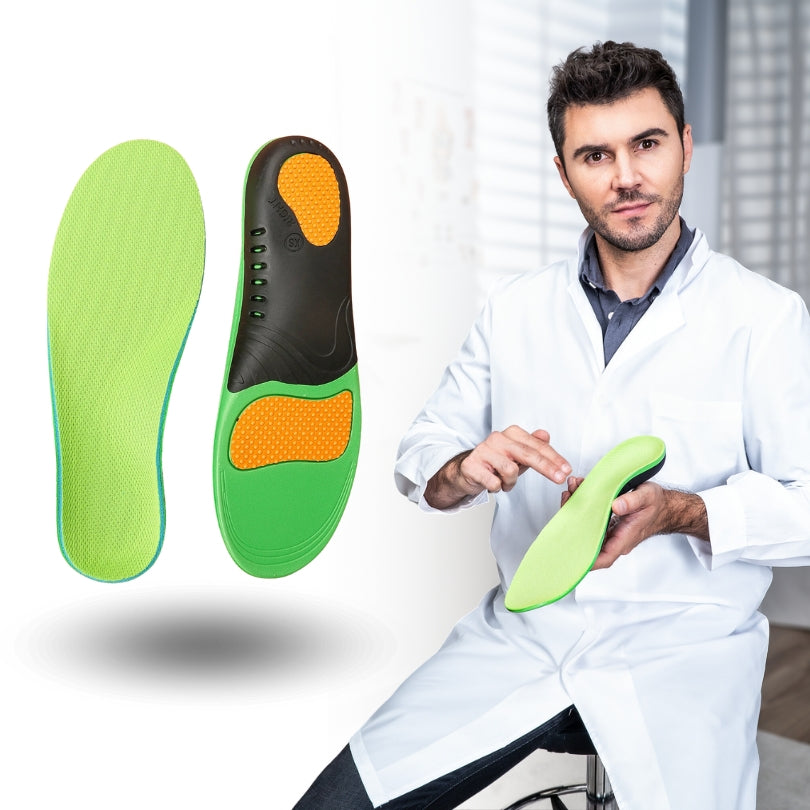
Managing bunion pain is not only about choosing the right footwear, but also about adopting daily habits that reduce pressure on the forefoot. Even the best shoes for bunions work more effectively when combined with proper foot care routines recommended by podiatry specialists.
One of the most effective strategies is alternating between supportive wide-fit shoes and softer recovery footwear at home. This helps reduce constant pressure on the bunion joint and allows tissues to recover. Using orthopedic insoles can also improve foot alignment and redistribute weight more evenly across the foot. In many cases, this significantly reduces discomfort during walking or standing.
Simple toe stretching exercises are another useful method. They help maintain mobility in the big toe joint and can slow down stiffness progression over time. Additionally, avoiding prolonged pressure on the forefoot—such as standing for extended periods without breaks—can greatly reduce inflammation.
Finally, it is important to regularly reassess your footwear. Even high-quality orthopedic shoes can lose effectiveness if they no longer fit properly or support your foot shape.
Combining these habits with well-designed footwear ensures better long-term comfort and helps manage bunion symptoms more effectively.
Choosing the Right Shoes for Long-Term Bunions Relief
Selecting the right footwear plays a crucial role in managing pain, improving mobility, and slowing the progression of bunions. While medical treatment may be necessary in advanced cases, most users experience significant relief simply by switching to properly designed footwear.
The most effective shoes for bunions are those that prioritize a wide toe box, anatomical support, cushioning, and flexibility. Whether you choose orthopedic sneakers, wide-fit models, or breathable designs, the goal remains the same: reduce pressure on the big toe joint and restore natural foot alignment.
It is also important to combine footwear choices with healthy daily habits such as stretching, using supportive insoles, and avoiding restrictive shoes. Over time, these adjustments can dramatically improve comfort and reduce inflammation.
Ultimately, the right shoes are not just a comfort upgrade—they are a long-term investment in foot health. Choosing wisely today can prevent worsening pain and help maintain better mobility for years to come.