

Best Supination Orthotic Insoles: Expert Guide & Top 7 Picks
Supination orthotic insoles are a common solution for correcting outward foot rolling, also called underpronation. According to the Journal of Foot and Ankle Research, around 20–30% of runners show signs of supination. This condition reduces shock absorption and increases stress on the ankles, knees, and hips.
The supination orthotic insoles help correct this imbalance. They improve foot alignment and redistribute pressure more evenly. Unlike standard insoles, they are designed for people with high arches. These users are more likely to underpronate and experience instability during movement. Good orthotic support can reduce pain and improve comfort during walking or running. In this guide, you will learn:
- What supination is
- How to recognize the symptoms
- How to choose the right insoles for your needs
We will also review the best options recommended by foot health experts and biomechanics specialists.
What Are Supination Orthotic Insoles?
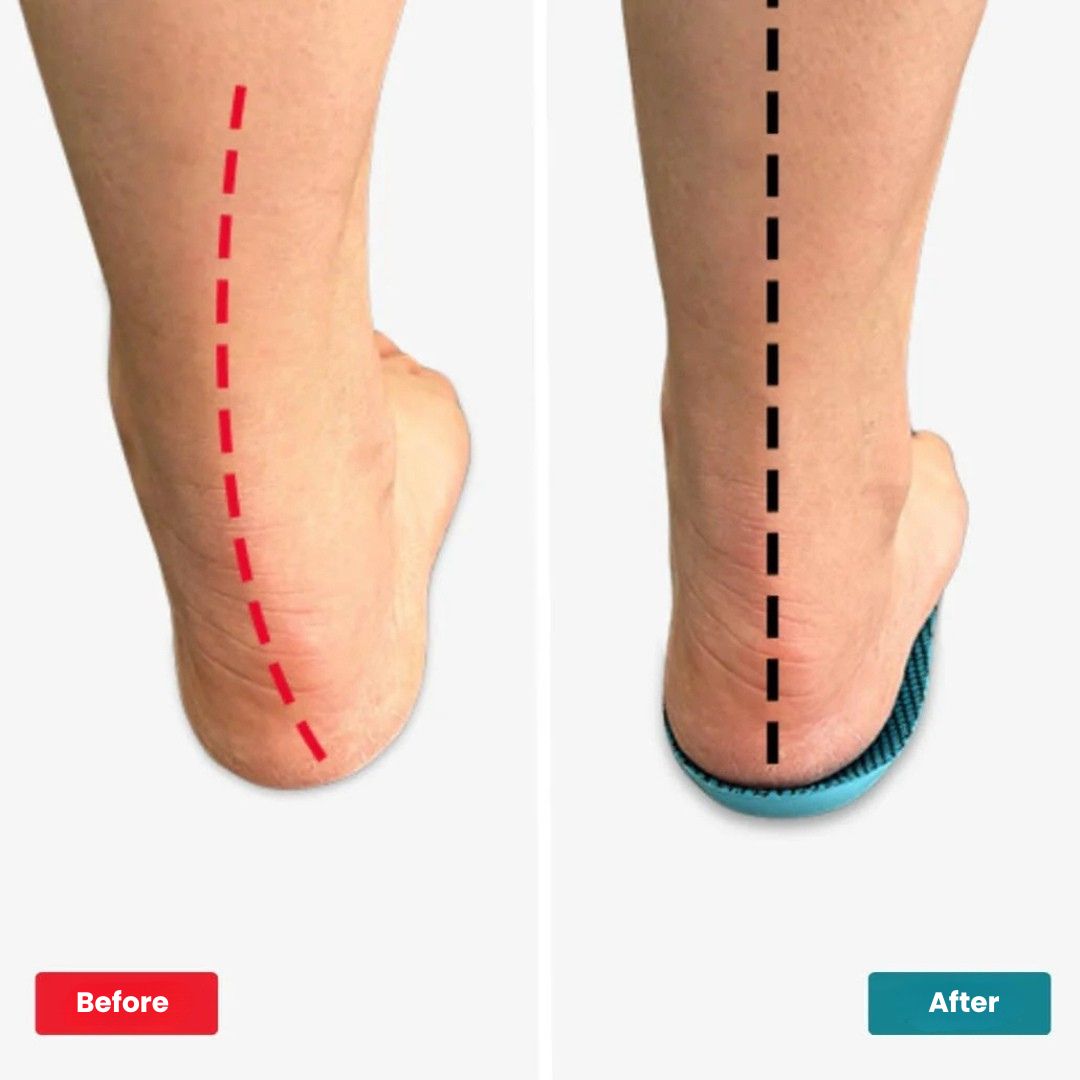
Supination orthotic insoles are designed to correct underpronation, a condition where the foot rolls outward during movement. This imbalance reduces the body’s ability to absorb shock efficiently and can lead to discomfort over time. These insoles work by improving the alignment of the foot, ankle, and lower leg. They provide targeted support to the arch and help stabilize the heel during walking or running. The goal is to guide the foot toward a more neutral and balanced position.
Unlike regular cushioning insoles, they are not only focused on comfort. They also address structural issues that affect gait mechanics. This makes them especially useful for individuals with high arches or rigid foot types. By improving foot stability, they can reduce strain on joints and enhance overall movement efficiency. They are commonly recommended in both everyday use and sports contexts.
Do You Really Need Insoles for Supination?
Not everyone with supination needs orthotic insoles, but many people benefit from them. The need depends on symptoms, activity level, and foot structure. When underpronation is mild and painless, simple footwear adjustments may be enough.
However, persistent supination can create long-term biomechanical stress. This is especially true for runners, athletes, or people who spend many hours standing. Without correction, the impact forces are poorly distributed across the lower body.
Common signs include frequent ankle sprains, outer foot pain, and uneven shoe wear on the outside edge. Some people also experience knee or hip discomfort due to poor alignment. These symptoms often worsen during physical activity.
In such cases, supination orthotic insoles can provide meaningful support. They help redistribute pressure and reduce excessive lateral loading on the foot. This improves stability and can reduce the risk of overuse injuries.
Still, insoles are not a medical cure. They work best as part of a broader approach that includes proper footwear and, in some cases, physiotherapy. A professional assessment from a podiatrist is recommended for chronic or painful cases.
Check out this guide: Plantar Fascia Strain Symptoms: 7 Signs That Actually Matter
Top 7+ Best Supination Orthotic Insoles
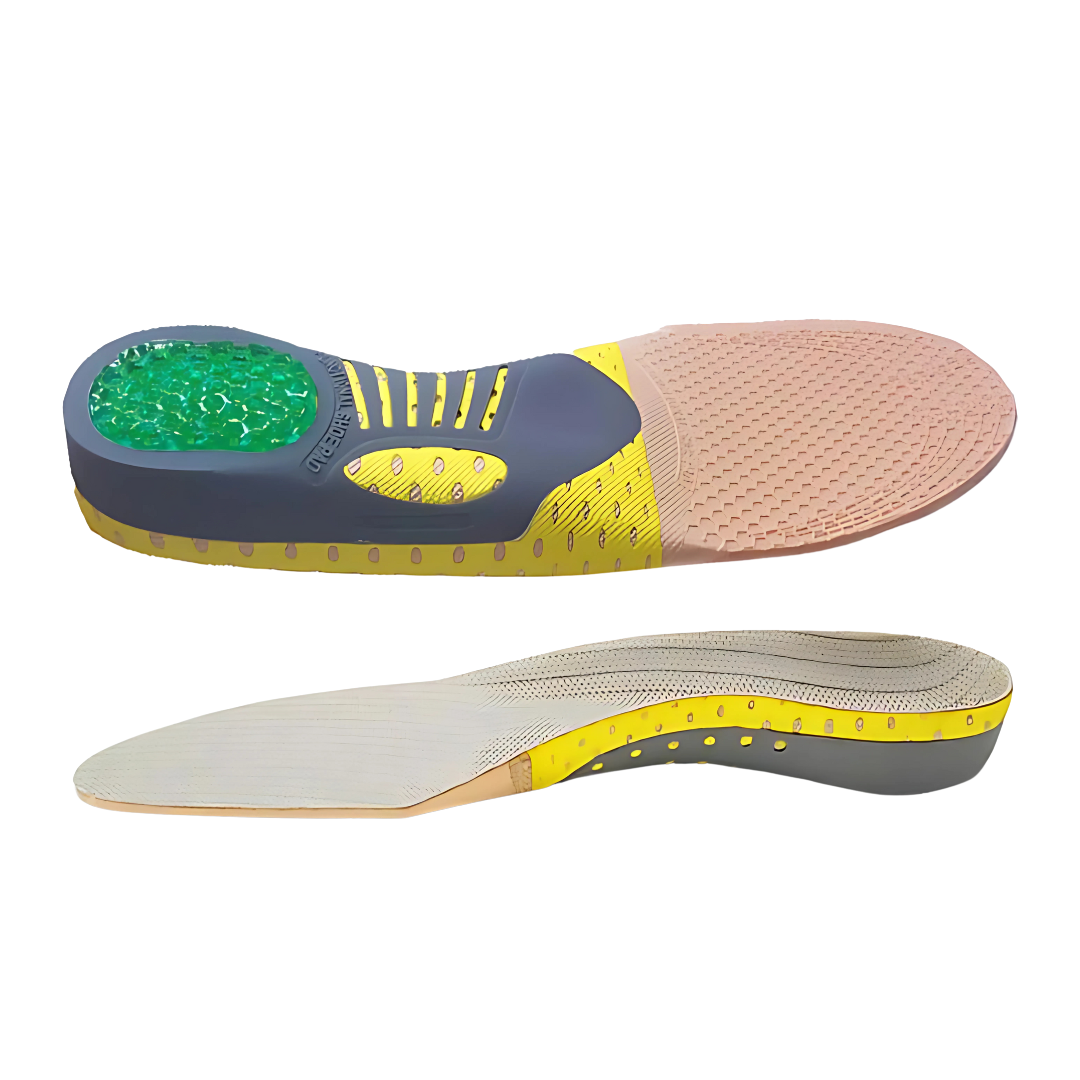
Finding the right insoles depends on comfort, support level, and daily usage needs. Below is a curated selection designed to improve stability, cushioning, and foot alignment for different profiles.
Heel Spur Insoles – Heel Pain Relief
These insoles are designed to reduce pressure on the heel area and improve shock absorption. They provide targeted cushioning for users who experience heel discomfort during walking or standing.
- Benefit: Pain relief and heel pressure reduction.
- User type: People with heel pain or long standing hours.
- Differentiator: Extra heel cushioning zone for impact control.
Plantar Fasciitis Insole – Daily Comfort
This model supports the arch and reduces strain on the plantar fascia. It helps distribute pressure more evenly across the foot during movement.
- Benefit: Reduced arch strain and daily comfort.
- User type: Users with mild to moderate foot fatigue.
- Differentiator: Balanced arch + heel support design.
Orthopedic Insoles for Plantar Pain
These insoles offer structured support to improve foot alignment and reduce pressure points. They are designed for more consistent orthopedic correction.
- Benefit: Improved stability and reduced pain.
- User type: People with chronic plantar discomfort.
- Differentiator: Strong structural reinforcement.
Orthopedic Insoles for Bunions
These insoles reduce pressure on the forefoot and help improve overall comfort. They are designed to accommodate wider foot conditions.
- Benefit: Forefoot pressure relief.
- User type: Users with bunions or forefoot pain.
- Differentiator: Wider toe-box pressure distribution.
Elite Performance Carbon Insoles
Built with lightweight carbon support, these insoles are optimized for sports performance. They enhance energy return while maintaining stability.
- Benefit: Improved performance and responsiveness.
- User type: Athletes and runners.
- Differentiator: Carbon fiber reinforcement.
Flat Foot Arch Support Insole
These insoles provide firm arch control to improve gait alignment. They help stabilize the foot during movement and reduce overloading.
- Benefit: Better posture and alignment.
- User type: Flat feet or unstable arch users.
- Differentiator: Strong arch correction structure.
Gel Comfort Absolute Insole
This model prioritizes soft cushioning for everyday comfort. It absorbs impact and reduces fatigue during long periods of standing.
- Benefit: Maximum cushioning comfort.
- User type: Daily wear and casual use.
- Differentiator: High-density gel comfort layer.

How to Choose the Right Supination Insoles?
Choosing the right support depends on your foot structure, activity level, and pain pattern. A proper selection can significantly improve comfort and reduce injury risk over time.
First, you need to evaluate your arch type. High arches usually require firmer support to control outward foot rolling. Without proper structure, pressure stays on the outer edge of the foot, increasing instability.
Second, consider heel stability. A deep heel cup helps keep the foot aligned during movement. This reduces excessive lateral motion and improves balance during walking or running.
Third, focus on cushioning level. Soft materials absorb shock and reduce joint stress. This is especially important for long hours of standing or sports activity.
Fourth, check shoe compatibility. Insoles must fit securely inside your shoes without sliding or creating pressure points. Poor fit can reduce performance and comfort.
Here is a simple selection checklist:
- Identify your arch type (high, normal, rigid)
- Check heel stability and cup depth
- Choose cushioning based on activity level
- Ensure proper shoe fit and sizing
For individuals with persistent biomechanical issues, supination orthotic insoles should balance both support and comfort. In more complex cases, a podiatrist evaluation is recommended for precise correction.
Do Orthotic Insoles Really Fix Supination?
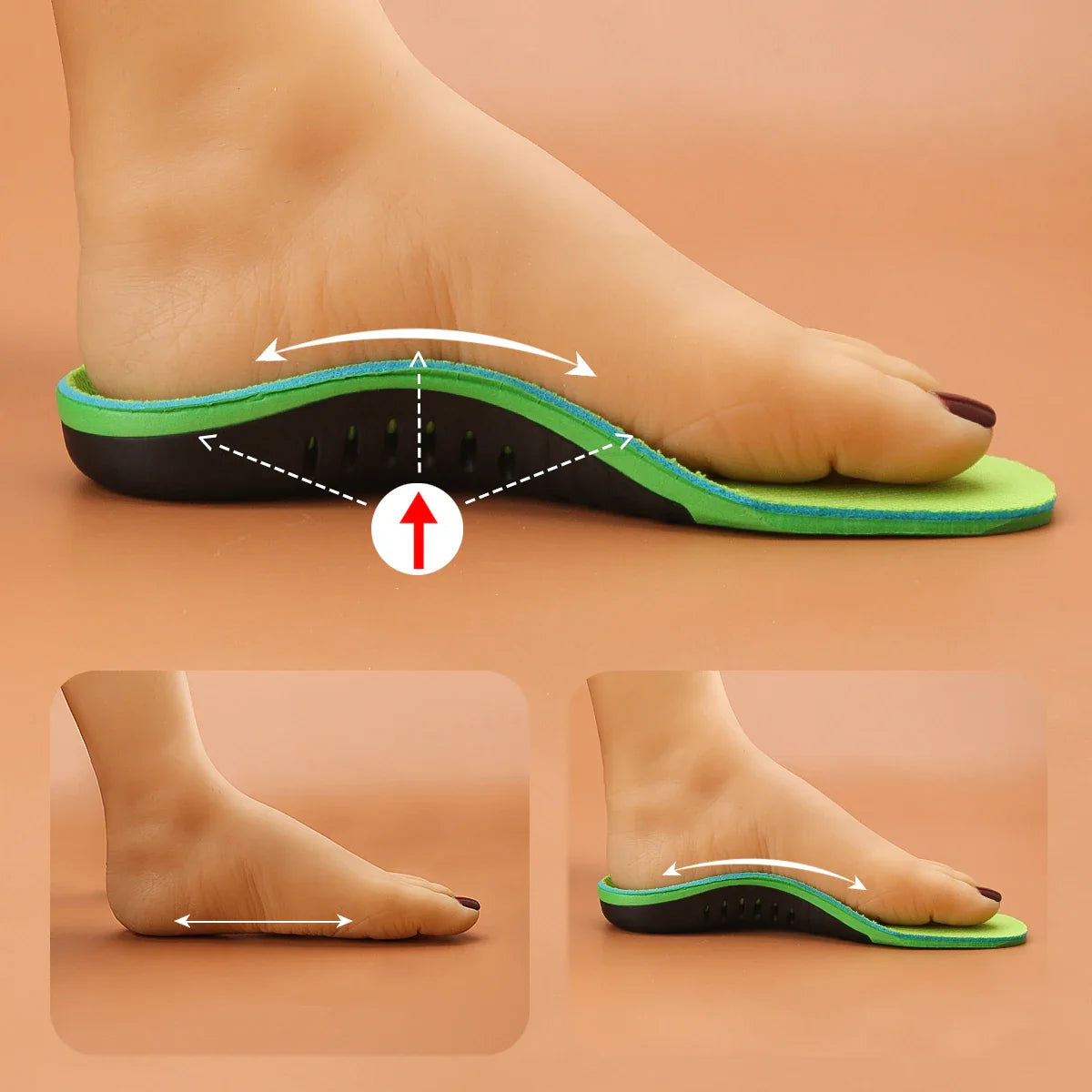
Orthotic insoles do not permanently “fix” supination, but they can significantly improve its effects. They work by correcting foot alignment during movement and improving load distribution across the lower body. The main benefit is better shock absorption. When the foot rolls outward excessively, impact forces are not properly absorbed. This can lead to stress on the ankles, knees, and hips over time.
With consistent use, insoles help reduce discomfort and improve stability. They also support a more neutral gait pattern, especially during walking or running. However, they are not a standalone medical treatment. In many cases, supination orthotic insoles are most effective when combined with other strategies. These include proper footwear, strengthening exercises, and sometimes physiotherapy.
Key benefits include:
- Improved foot alignment
- Reduced joint stress
- Better walking and running comfort
- Lower risk of overuse injuries
It is important to understand that insoles manage symptoms rather than cure the underlying foot structure. For chronic or painful cases, professional assessment remains the best long-term approach.
Check out this guide: Bunion Pain: Causes, Symptoms & Fast Relief Solutions That Work
Common Mistakes to Avoid
Many people choose insoles without understanding their specific foot needs. This often leads to poor results and continued discomfort. One of the most common mistakes is selecting insoles designed for pronation instead of supination, which can worsen imbalance.
Another frequent error is choosing overly soft insoles. While cushioning is important, too much softness can reduce stability and fail to correct foot alignment properly. Support structure is just as important as comfort.
Incorrect sizing is also a major issue. Insoles that are too large or too small can shift inside the shoe, creating pressure points and reducing effectiveness. Proper fit is essential for consistent support.
Some users also expect immediate results. However, the body needs time to adapt to supination orthotic insoles, especially if they significantly change foot mechanics. A gradual adaptation period is recommended.
Common mistakes to avoid:
- Choosing pronation insoles instead of supination support
- Prioritizing softness over structural support
- Using incorrect sizing
- Expecting instant correction
When used correctly, insoles can greatly improve comfort, stability, and long-term foot health.
Choosing the Right Support for Better Foot Health
Supination is often underestimated, yet it can have a real impact on daily comfort and long-term joint health. The right support can significantly improve stability, reduce pain, and enhance movement efficiency.
When used consistently, supination orthotic insoles help correct foot alignment and redistribute pressure more evenly across the lower body. While they are not a permanent cure, they are an effective tool for managing symptoms and preventing further strain.
The key is to choose insoles that match your arch type, activity level, and comfort needs. Combined with proper footwear and gradual adaptation, they can make a noticeable difference in overall biomechanics and mobility.