

The Best Insoles for Walking All Day: What to Look For and Why It Matters
Your feet take thousands of steps every single day. And for most people, the shoes they're wearing weren't built to handle that. Whether you're on the clock at work, exploring a city, or just keeping up with daily life, hours of walking without the right support will eventually catch up with you — in the form of heel pain, arch fatigue, sore knees, or lower back tension that seems to have no obvious cause.
The good news? The fix is simpler than most people think. And it starts with what's inside your shoe.
Why Your Default Insoles Aren't Enough?
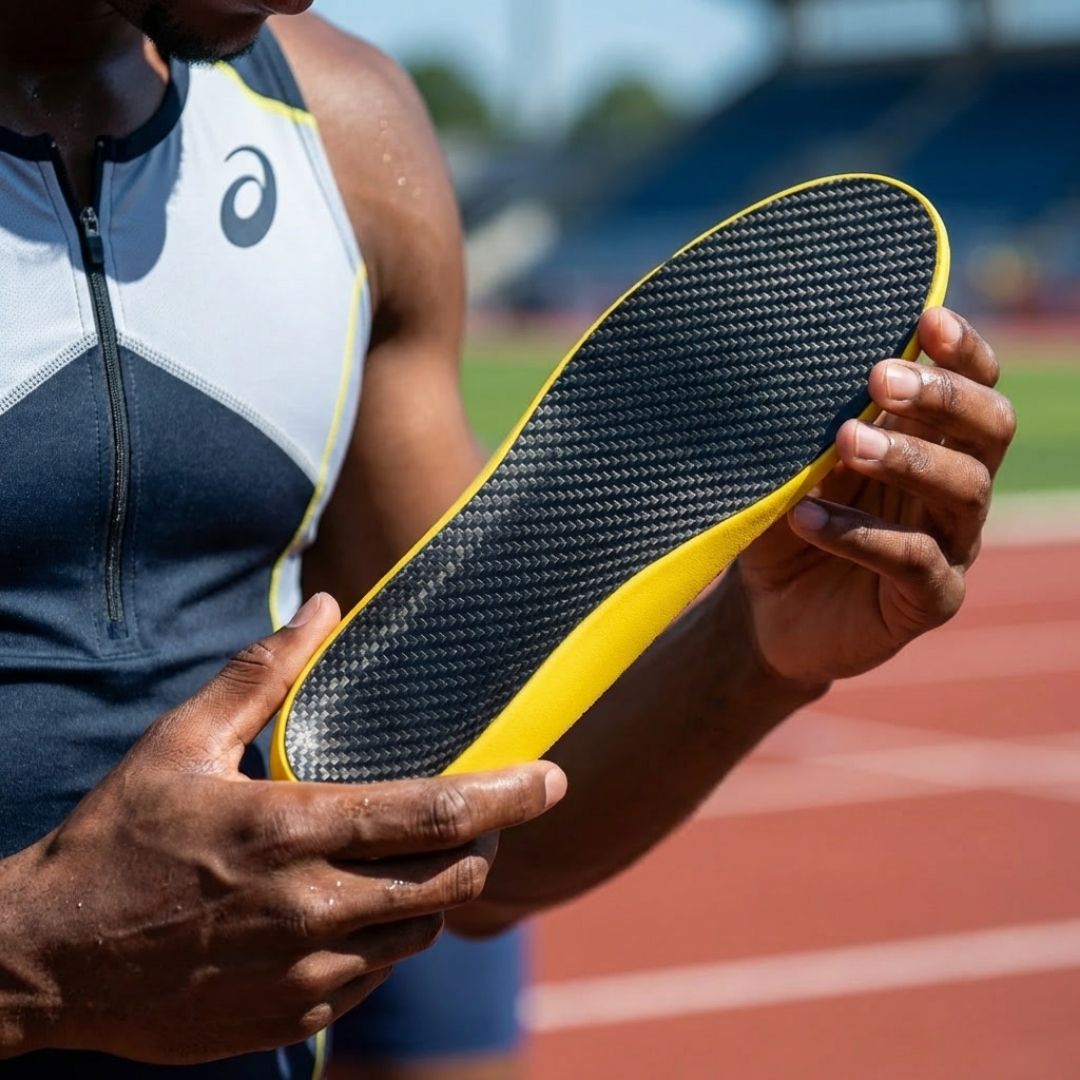
Most shoes come with a thin, generic foam insole. It's not designed for support — it's designed to add a layer between your foot and the shoe's interior. That's it.
When you walk all day on that foam, it compresses almost immediately and stops providing any meaningful cushioning. You're essentially walking on a flat surface, with all the impact going directly into your heels, arches, and joints.
Over time, this leads to fatigue at best. At worst, it contributes to conditions like plantar fasciitis, Achilles tendinitis, and knee pain — all of which can take months to resolve.
Upgrading your insoles is one of the most cost-effective changes you can make for your foot health. But not all insoles are created equal. Here's exactly what to look for.
Want to go deeper? Read our guide on Best Insoles for Heel Pain | Expert Guide & Top Picks
5 Features the Best Insoles for Walking All Day Must Have
Here are the criteria approved by experts for choosing the best insoles:
1. Proper Arch Support: Matched to Your Foot Type
This is the most important feature — and the most misunderstood. "Arch support" doesn't just mean a bump in the middle of the insole. It means an insole that's shaped to match your specific arch height: whether you have flat feet, high arches, or something in between.
A good insole supports the arch from below, preventing it from collapsing under your body weight. This keeps your foot in alignment, which in turn reduces stress on your ankles, knees, hips, and lower back.
Flat feet tend to cause overpronation — your foot rolls inward with each step — which puts excessive strain on the plantar fascia. High arches, on the other hand, mean less natural shock absorption, leaving your joints to absorb the impact. Both need different levels of support.
The best insoles for walking all day are those that account for your foot type, not just generic comfort.
2. Deep Heel Cup

A deep heel cup cradles the heel and stabilises it with each step. Without it, your heel shifts slightly left and right as you walk — which doesn't sound like much, but over thousands of steps, it adds up to real joint stress. A heel cup also helps absorb impact at the moment your foot contacts the ground, protecting the heel bone and the tissue around it.
This feature is especially important if you already experience heel pain or want to avoid it. It's one of the key differences between a quality insole and a basic foam insert.
3. Multi-Layer Cushioning
Cushioning and support are different things — you need both. Support keeps your foot properly aligned. Cushioning absorbs the mechanical shock of each step, so your joints don't have to. The best all-day walking insoles combine a firm, supportive base layer with softer cushioning on top to give you both stability and comfort.
Look for insoles built with EVA foam or similar materials in the base layer. These are durable, lightweight, and engineered to maintain their shape after hours of walking — unlike basic foam that compresses flat within the first hour.
4. Shock Absorption
Every time your foot hits the ground, a wave of force travels up through your heel, into your ankle, your knee, and your lower back. That's normal biomechanics. But without proper shock absorption, that force accumulates over a long day and leaves you aching by mid-afternoon.
Good insoles act like a suspension system. They absorb and redistribute the impact before it reaches your joints — which is why people who switch to a quality insole often notice reduced knee and back pain, not just foot pain.
5. Breathability and Long-Wear Comfort
You're going to be wearing these for hours. The top layer of your insole should be breathable and moisture-wicking to keep your feet dry, prevent blisters, and reduce odour over time.
An insole that feels great for the first hour but becomes hot and slippery by hour four is not doing its job. Look for a fabric top layer that ventilates well and stays stable under your foot throughout the day.
Do you struggle with bunions? Here’s an expert guide to relieving bunions:
Who Needs Insoles for Walking All Day?
The short answer: almost everyone who walks for more than a couple of hours can benefit. But the need is most acute for:
- People who work on their feet — nurses, teachers, hospitality workers, warehouse staff, and anyone standing or walking for 6–10 hours in a shift
- City walkers and tourists — hard pavements amplify every impact on your feet
- People with flat feet or high arches — where standard footwear simply doesn't provide adequate structural support
- Anyone with a history of heel pain, plantar fasciitis, or knee pain — the right insole can prevent flare-ups before they start
- Older adults — as the natural fat pad in the heel thins with age, external cushioning becomes increasingly important
If you fall into any of these categories, finding the best insoles for walking all day isn't a luxury — it's a practical investment in how you feel every single day.
What Happens When You Walk All Day Without Support?
Here's something worth understanding: foot pain rarely starts in the foot. It starts with poor alignment. Each step you take with insufficient arch support slightly stresses the plantar fascia, the Achilles tendon, the knee ligaments. That stress is minor per step — but cumulative over a full day, week after week.
By the time something actually hurts, the damage has usually been building for months. Which is why prevention is so much easier than treatment. The best insoles for walking all day are really the best insoles for not waking up tomorrow with a problem you'll be managing for the next six months.
Read our guide on How to Put Shoe Inserts In the Right Way — For Any Shoe Type
How Semello Insoles Are Built for All-Day Walking?
Semello's insoles are designed with exactly this kind of extended wear in mind. The range is built around three core principles: targeted arch support, meaningful heel cushioning, and durable materials that hold their shape under sustained pressure. Whether you're on your feet for a four-hour shift or a full day out, the goal is consistent support from the first step to the last.
What sets Semello apart isn't just the insole itself — it's the approach to foot health as prevention rather than reaction. Most people only think about their insoles when something already hurts. Semello is designed for the people who want to stay ahead of that.
The collection covers a range of use cases — from everyday walking to more demanding work environments — so you can find the right level of support for how you actually spend your days. Explore Semello Insoles & Inserts:

A Quick Guide: Choosing the Right Insole for You
Not sure where to start? Here's a simple framework:
You have flat feet or overpronate: Look for a firmer arch support insole with a deep heel cup and motion control features.
You have high arches: Prioritise cushioning and shock absorption over rigid structure. A softer, contoured insole will work better than a firm one.
You're on hard floors all day (concrete, tile): Focus on multi-layer cushioning and heel shock absorption. The surface you walk on significantly increases impact force.
You need something for multiple pairs of shoes: Look for a slim-profile insole that transfers easily, so you can move it between your everyday shoes, work shoes, and trainers.
You're recovering from or want to prevent plantar fasciitis: Arch support and heel cushioning are both non-negotiable.
The Bottom Line
The best insoles for walking all day aren't the ones with the flashiest marketing. They're the ones that support your arch, cushion your heel, and stay functional for the full duration of your day — not just the first two hours.
Most people underestimate how much their insoles (or lack of them) contribute to foot pain, knee discomfort, and lower back aches. Getting that right is one of the highest-leverage things you can do for your physical wellbeing. Your shoes get you where you're going. Your insoles determine how you feel when you get there.