

Heel Spur: What It Really Is, Why It Hurts, and How to Fix It
Most people ignore heel pain until they can't. They tell themselves it'll go away. They stretch a little. They switch shoes for a week. And then one morning, they step out of bed and feel that sharp, stabbing sensation in the heel — again.
If that sounds familiar, there's a good chance you're dealing with a heel spur. Here's what's actually happening inside your foot, why it keeps coming back, and what you can do to stop it.
What Is a Heel Spur?

A heel spur is a small, bony growth that forms on the underside of the calcaneus — the heel bone. It develops gradually, over months or even years, as calcium deposits build up in response to repeated stress on the heel.
The spur itself is not always the problem. In fact, many people have heel spurs and never feel a thing. What causes pain is usually the inflammation of the surrounding soft tissue — especially the plantar fascia, the thick band of tissue that runs along the bottom of your foot. When that tissue gets irritated, even a small bony protrusion becomes extremely painful.
This is why heel spur pain and plantar fasciitis pain often feel identical. They're closely linked — and treating one usually means addressing the other.
What Causes a Heel Spur?
There's no single cause. Heel spurs develop from sustained, repetitive mechanical stress. Here are the most common triggers:
- Excess pressure on the heel: Standing or walking on hard surfaces for long hours puts constant strain on the heel bone. Over time, the body responds by producing extra calcium — and a spur forms.
- Flat feet or high arches: Both extremes of foot arch affect how weight is distributed. When the arch doesn't absorb shock properly, the heel takes the hit. Read this article on flat feet and foot pain: Best Insoles for Flat Feet: Expert-Reviewed Guide to Find the Right Support
- Worn-out or unsupportive footwear: Shoes that have lost their cushioning or provide no arch support force the heel to work harder than it should. This is one of the most underrated causes — and one of the most fixable.
- Excess body weight: Every extra kilogram increases the mechanical load on the heel. Even modest weight changes can make a real difference in symptoms.
- Age: The fat pad that naturally cushions the heel thins with age. The older you get, the less natural protection your heel has.
- Sudden increase in physical activity: Starting a running program, a new job that requires standing all day, or any abrupt change in activity level can trigger inflammation faster than the tissue can adapt.
The tricky part? Most of these factors combine. It's rarely just one cause — which is also why fixing just one thing often isn't enough.
What Does a Heel Spur Feel Like?

The classic symptom is a sharp, stabbing pain at the bottom of the heel, most intense with the first steps of the day or after sitting for a long time. Here's why: when you rest, the plantar fascia contracts. The moment you put weight on your foot, it stretches suddenly — pulling on the inflamed tissue right where the spur sits.
After a few minutes of walking, the pain often eases. People interpret this as a good sign — "it warms up." But it's not healing. The tissue is just being forced to stretch. Other common signs include:
- A dull ache after prolonged standing or walking
- Tenderness when pressing on the heel
- Swelling or redness at the base of the heel
- Pain that worsens toward the end of the day after extended activity
There's one thing worth knowing: the size of the spur has almost no correlation to pain intensity. A small spur with severe surrounding inflammation can be crippling. A large spur with no inflammation can go completely unnoticed.
This matters for treatment. The goal isn't to remove the spur — it's to reduce the stress and inflammation around it.
Discover this article: How to Shrink Bunions Naturally: What Works and What Doesn’t
How Is a Heel Spur Diagnosed?
Diagnosis usually starts with a physical exam. A doctor presses on specific points of the heel to identify where the tenderness is concentrated. They'll also assess your gait and ask about your daily activity and footwear.
An X-ray can confirm the presence of a bony growth — but again, the spur showing on an X-ray doesn't automatically mean it's responsible for your pain. In some cases, an MRI or ultrasound is used to evaluate the state of the soft tissue, especially the plantar fascia. This is more useful for understanding the full picture than an X-ray alone.
How to Treat a Heel Spur

Most heel spurs don't require surgery. In fact, the vast majority of cases improve significantly with conservative treatment — but it requires consistency and patience. Here's what actually works:
1. Reduce the Source of Stress
This is step one, and most people skip it. If you keep loading the heel the same way, nothing else will stick. Identify what's driving the problem: Are you standing on concrete for 8 hours? Are your shoes worn down? Are you running on hard pavement with no cushioning? Fix the root cause first.
2. Supportive Footwear
The shoes you wear every day are either helping or hurting your heel. There's no neutral. Shoes with proper heel cushioning, arch support, and a slight heel elevation take pressure off the plantar fascia and reduce the mechanical stress that feeds a heel spur.
Generic fashion shoes — especially flat ones — do the opposite. They concentrate pressure exactly where it doesn't belong. If you're dealing with heel pain, upgrading your footwear is not optional. It's foundational. Semello's orthopedic shoes collection is specifically designed for this: structured support, targeted cushioning, and shapes that work with your foot instead of against it.

3. Orthopedic Insoles
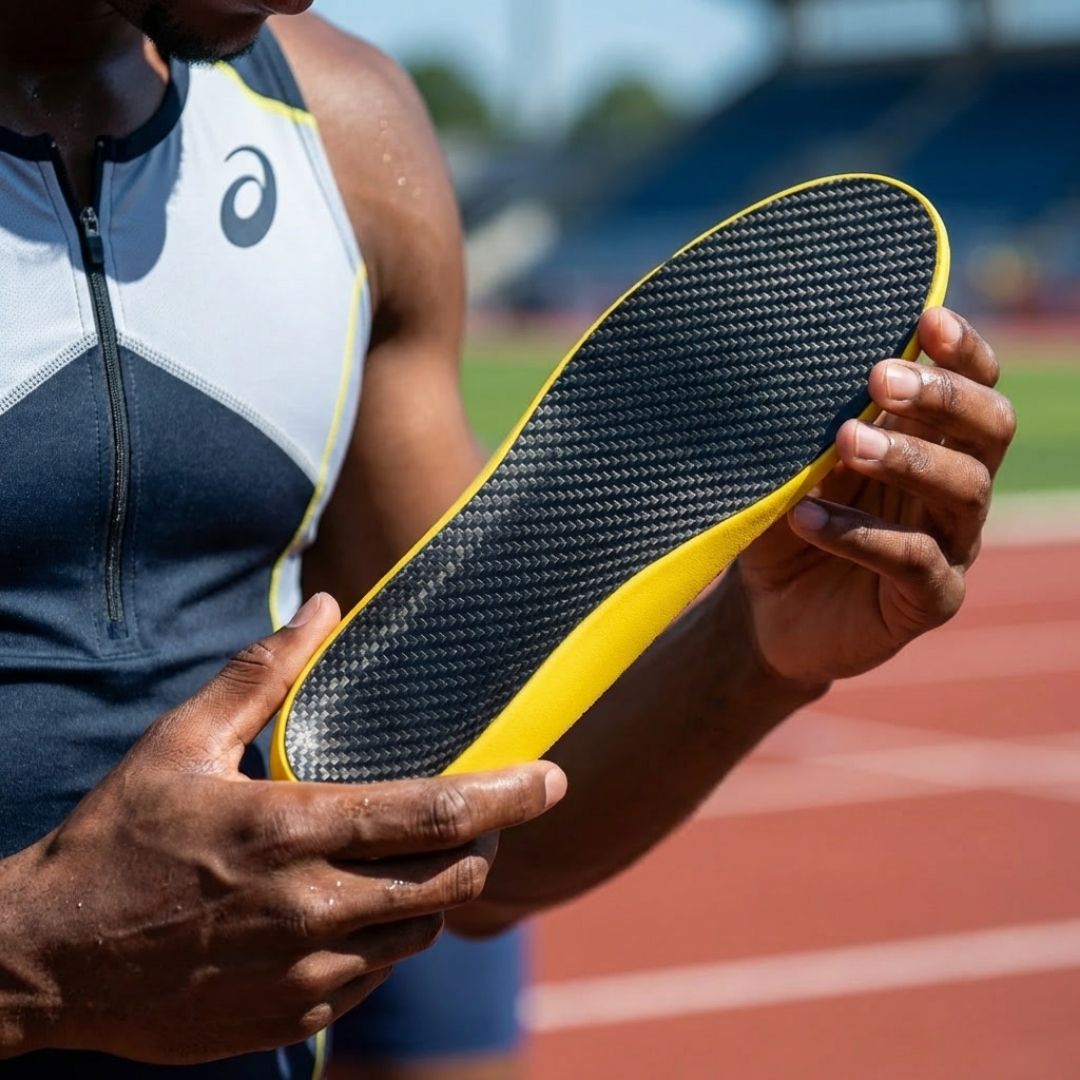
Even good shoes have limits. An orthopedic insole fills the gap between what the shoe provides and what your foot actually needs.
A properly designed insole redistributes pressure away from the heel, supports the arch, and absorbs impact before it reaches the bone. For heel spur sufferers, this can mean the difference between a manageable day and a painful one. [LIEN : article on how to choose orthopedic insoles]
Semello's insoles and inserts are engineered for exactly this kind of targeted relief — particularly useful for people who spend long hours on their feet or who need ongoing support during recovery.

4. Stretching and Strengthening
The plantar fascia and calf muscles are tightly connected. When the calf is tight, it pulls on the heel through the Achilles tendon, increasing tension on the plantar fascia. Regular stretching — especially before your first steps in the morning and after sitting — can significantly reduce pain over time. Key stretches include:
- Plantar fascia stretch: pull your toes toward your shin, hold 30 seconds
- Calf stretch against a wall: hold 45 seconds each side
- Towel stretch: loop a towel under your foot, pull toward you while lying down
This part requires daily commitment. But it's one of the highest-ROI habits for long-term relief.
5. Ice and Anti-inflammatories
For acute pain, applying ice to the heel for 15-20 minutes after activity can reduce inflammation quickly. Over-the-counter anti-inflammatory medication can help in flare-ups, but it's a short-term tool, not a solution.
6. Physical Therapy
If symptoms persist after 6-8 weeks of self-management, a physiotherapist can assess your specific gait patterns, prescribe targeted exercises, and use techniques like ultrasound therapy or massage to accelerate tissue recovery.
7. Cortisone Injections
Reserved for cases that don't respond to conservative treatment. A cortisone injection can reduce severe inflammation quickly — but it doesn't fix the underlying mechanical problem. Without addressing that, the pain returns.
8. Surgery (Last Resort)
Only considered when all else fails, typically after 12+ months of failed conservative treatment. Surgery involves removing the spur or releasing the plantar fascia. Recovery is lengthy, and outcomes vary.
The good news: less than 10% of heel spur cases ever reach this point.
How Long Does Recovery Take?
This is the question everyone asks. The honest answer: it depends on how long the problem has been building and how consistently you address it.
- Mild cases: 4-8 weeks of good footwear, insoles, and stretching
- Moderate cases: 3-6 months with structured conservative treatment
- Chronic or severe cases: 6-12 months, potentially with physical therapy
The biggest variable isn't the severity — it's adherence. People who make the right changes consistently recover. People who treat it intermittently stay stuck.
Can You Prevent a Heel Spur From Coming Back?
Yes — but it requires ongoing habits, not a one-time fix.
- Wear supportive shoes every day, not just during workouts
- Replace shoes before they wear out (most running shoes need replacing every 500-700 km)
- Keep using insoles even after the pain disappears
- Maintain a stretching routine
- Avoid sudden increases in activity without a gradual progression
- Manage body weight over the long term
Discover this article on foot care habits for people who stand all day: Best Supination Orthotic Insoles: Expert Guide & Top 7 Picks
Prevention is significantly easier than treatment. And once you've had a heel spur, you're more likely to develop another — unless you change the conditions that created the first one.
The Bottom Line
A heel spur is the result of sustained mechanical stress that your foot couldn't handle. It doesn't appear overnight, and it doesn't disappear overnight either. But with the right footwear, proper support, and consistent habits, the vast majority of people recover fully — without injections, without surgery, and without living around the pain.
Start with what you can control today: your shoes and your insoles.
Explore Semello's orthopedic shoes — designed for all-day comfort and real heel support: semello-shop.com/collections/orthopedic-shoes
Find the right insole for your foot — targeted relief, built for daily wear: semello-shop.com/collections/insoles-inserts