

Right Orthotics Insoles for Plantar Fasciitis: Step-by-Step Guide to Choosing
That sharp, stabbing pain the moment your foot hits the floor in the morning. You know what it is. And you've probably tried a few things already. Here's what most people get wrong: they grab any insole off the shelf without understanding what plantar fasciitis actually needs. The right plantar fasciitis orthotics insoles don't just add cushioning — they change how your foot loads with every step. That's the difference between masking pain and actually recovering from it.
This guide walks you through exactly how to pick the right pair. And why most generic insoles don't cut it.
What's Actually Happening Inside Your Foot?

Before you can choose the right orthotic, it helps to understand what you're dealing with.
The plantar fascia is a thick band of tissue running along the bottom of your foot — from your heel bone all the way to your toes. It acts like a bowstring, supporting your arch with every step. When it takes repeated strain without proper support, it becomes inflamed. That's plantar fasciitis.
The pain is worst in the morning because the tissue tightens overnight. Your first steps stretch it back out — hence the searing sensation that makes you wince getting out of bed.
Two things make it worse: poor foot mechanics (overpronation, flat feet, high arches) and footwear that doesn't support the arch. That's where orthotics insoles come in.
Check out our article on: Best Insoles for Heel Pain | Expert Guide & Top Picks
What Plantar Fasciitis Orthotics Insoles Actually Do?
A good orthotic insole for plantar fasciitis does three things simultaneously:
- Supports the arch: so the plantar fascia doesn't have to work as hard. Every step, the insole takes on some of that load.
- Stabilizes the heel: a deep heel cup reduces the micro-movements that irritate the inflamed tissue. Less movement, less pain.
- Absorbs shock: hard surfaces send impact straight through your foot. A quality insole disperses that force so the fascia isn't taking the full hit.
What it doesn't do: fix your foot overnight. Orthotics insoles are a tool for recovery and prevention — not a one-time cure. That said, most people notice a difference within days of switching to properly fitted orthotic insoles.
The part nobody tells you? It's not just about how thick the insole is. Firmness matters more than cushion. A soft, squishy insole may feel comfortable at first but often makes plantar fasciitis worse by allowing too much arch collapse.
We'll come back to that. First, let's talk about fit.
The 4 Features That Actually Matter

When you're scanning the options for insoles for plantar fasciitis, here's what to look at — and what to ignore.
1. Deep Heel Cup
This is non-negotiable. The heel cup cradles the fat pad under your heel, preventing it from spreading and reducing the strain placed on the plantar fascia attachment point. Shallow heel cups offer next to no benefit for this condition.
2. Semi-Rigid Arch Support
Forget memory foam for plantar fasciitis. You want a semi-rigid shell — firm enough to genuinely hold up the arch, with just enough flex to move naturally with your foot. Full rigidity is uncomfortable; full softness is ineffective. The sweet spot is semi-rigid.
3. Metatarsal Support
Often overlooked, but important. Support under the ball of the foot shifts pressure away from the heel and midfoot, reducing the overall load on the plantar fascia throughout the gait cycle.
4. Full-Length Coverage
3/4 length insoles are convenient, but full-length orthotic insoles distribute pressure more evenly across the entire foot. For plantar fasciitis, that even distribution matters — you want no single point taking all the impact.
Check out our article on Orthotic Insoles for Overpronation: Best Support for Alignment
What to Watch Out For?
A few red flags when choosing plantar fasciitis orthotics insoles:
- Gel-only insoles — they absorb shock but do nothing for arch support or heel stability. Fine for general comfort, not for managing plantar fasciitis.
- Insoles with no heel cup depth — if the insole is flat at the heel, it's essentially decorative.
- Generic "comfort" insoles — cushion doesn't equal support. These are often the ones you try first, notice temporary relief, then revert to pain within a week.
How to Know Which Type of Insole Fits Your Situation?
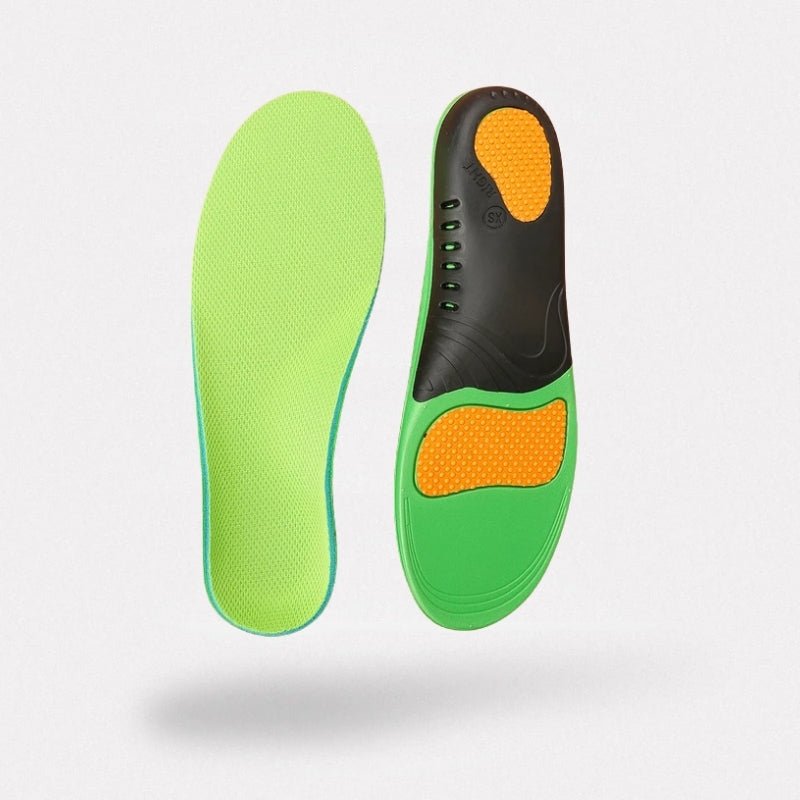
Not all plantar fasciitis cases are the same. Your foot type plays a big role in which orthotic insole will work best for you.
Flat feet / overpronation: Your arch collapses inward with each step, putting constant strain on the plantar fascia. You need a firm, high arch support to correct the pronation. Look for structured orthotic insoles with a medial post (extra support on the inner side).
High arches / underpronation: Your arch is rigid and doesn't absorb shock well, concentrating impact on the heel and ball of the foot. You need an insole with enhanced cushioning in the heel and forefoot, with moderate arch support that doesn't push too aggressively against an already-elevated arch.
Neutral arch: You have more flexibility here. A semi-rigid insole with a good heel cup and standard arch support works well. Focus on shock absorption and heel stabilization.
When to Wear Your Orthotic Insoles And When Not To?
Most people put their insoles in their main pair of shoes and leave it there. That's a mistake.
Plantar fasciitis flares up most when your feet are unsupported — when you walk barefoot around the house, shuffle to the bathroom at night, or wear flat casual shoes. The fascia is being strained in those moments too. Ideally, you want support every time you're on your feet. That means:
- In your main shoes — always, from day one
- In your work shoes — especially if you stand for long periods
- In casual and weekend shoes — this is where most people leave a gap
It's also worth paying attention to the surfaces you walk on. Hard floors — tile, concrete, hardwood — amplify impact significantly. If your workplace has hard flooring and you're on your feet all day, your orthotic insoles are doing heavy lifting. Make sure they're up to it.
Check out our article on Best Orthotic Arch Support Insoles: Expert Picks for Pain Relief
How Long Until You Feel a Difference?
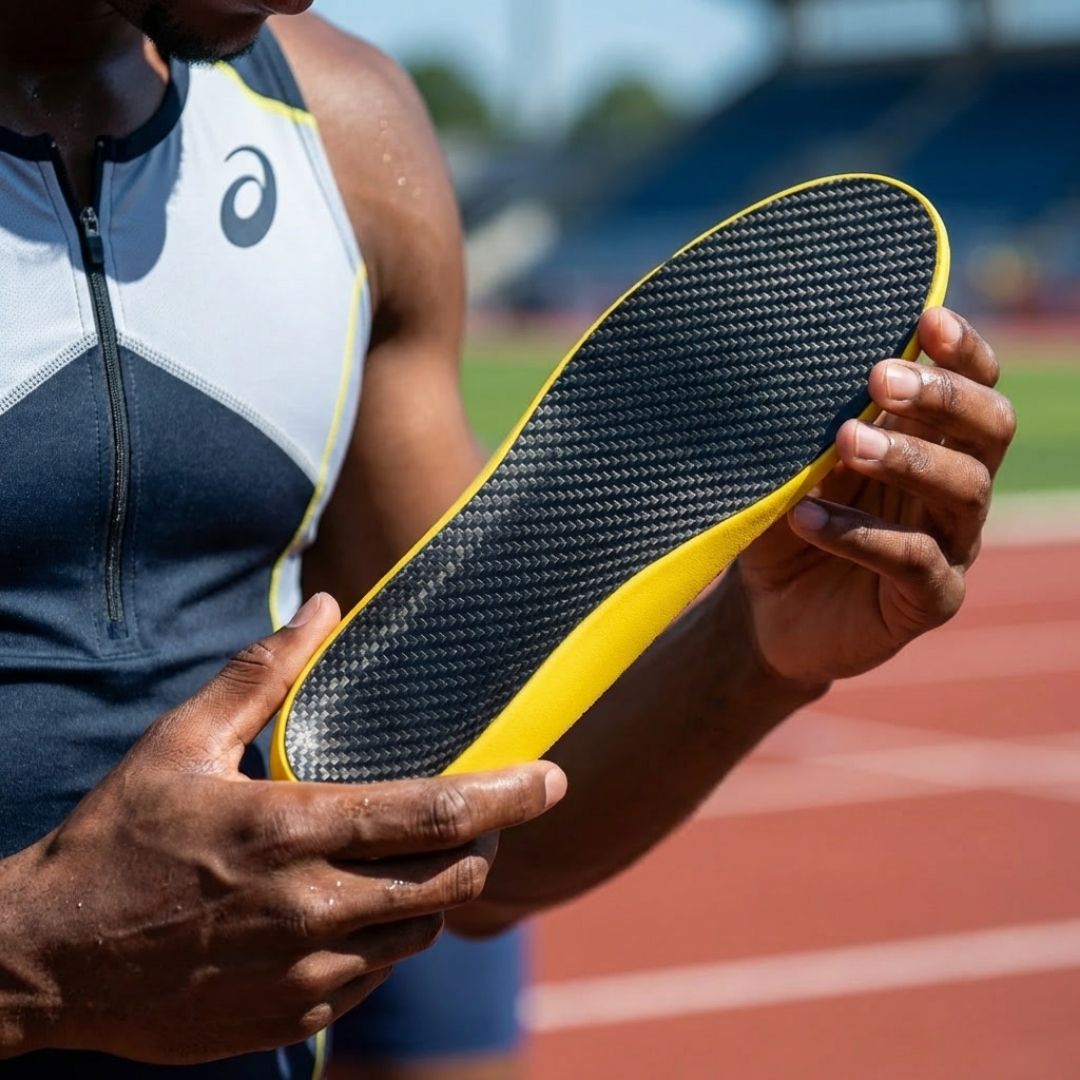
Expect a break-in period of 3 to 7 days. Your feet are adapting to a new way of loading. Some people feel relief almost immediately; others need a week before the arch support starts feeling natural rather than intrusive.
If you're still in pain after two to three weeks of consistent wear, it's worth seeing a podiatrist — custom orthotics may be necessary if over-the-counter insoles can't adequately correct your biomechanics.
For most people with mild to moderate plantar fasciitis, quality plantar fasciitis orthotics insoles resolve or significantly reduce symptoms within a few weeks of consistent use.
One more thing: replace your insoles every 8 to 12 months. The support degrades before the insole visually looks worn out. If you're wearing them daily and doing a lot of standing or walking, lean toward the 8-month end.
The Semello Approach to Plantar Fasciitis Support
At Semello, our orthopedic insoles are developed in collaboration with podiatrists — which means they're built around what actually helps, not what just feels comfortable in the store.
The Semello insole range is designed specifically for people dealing with heel pain, arch strain, and the kind of chronic foot discomfort that plantar fasciitis brings. Each pair features a deep heel cup, semi-rigid arch support, and full-length cushioning — the three pillars that make orthotic insoles genuinely effective for this condition.
Whether you're on your feet all day at work, recovering from a flare-up, or looking to prevent recurrence after your first episode, there's an option designed for your usage pattern.

The Bottom Line
Plantar fasciitis doesn't resolve on its own — at least not quickly, and not without the right support.
The right plantar fasciitis orthotics insoles do more than cushion your heel. They correct the mechanics that caused the problem in the first place: the arch collapse, the heel instability, the uneven load distribution that keeps the fascia inflamed.
Get those fundamentals right, wear your insoles consistently, and most people make significant progress within a few weeks. Your first step in the morning shouldn't feel like the worst part of your day.
FAQ — Orthotics & Heel Pain
What orthotics are best for plantar fasciitis?
The best orthotics for plantar fasciitis combine a deep heel cup, firm arch support, and cushioning under the forefoot. Semi-rigid insoles outperform fully soft ones — they correct foot mechanics rather than just padding the pain. Look for options specifically designed for heel pain and overpronation. Semello's Insoles for Plantar Fasciitis check all three boxes.
Which vitamin deficiency causes heel pain?
Vitamin D is the most common culprit. It plays a direct role in bone density and soft tissue repair — low levels are strongly associated with chronic heel pain and slower recovery from plantar fasciitis. Magnesium deficiency can also contribute, as it affects muscle tension and nerve function in the foot. A simple blood test with your doctor confirms whether supplementation is warranted.
Can I wear orthotics with Brooks Ghost?
Yes — the Brooks Ghost is one of the most orthotic-friendly running shoes available. Its removable factory insole creates enough depth to accommodate a standard orthotic without making the shoe feel overcrowded. Semello insoles fit comfortably inside the Ghost, and the combination — structured orthotic plus the shoe's natural cushioning — gives solid support for both plantar fasciitis and everyday walking.